Championship Fight Intensifies in Singapore With a Familiar Name Back on Top
Gran Turismo World Series 2026 Round 3 - Singapore Nations Cup

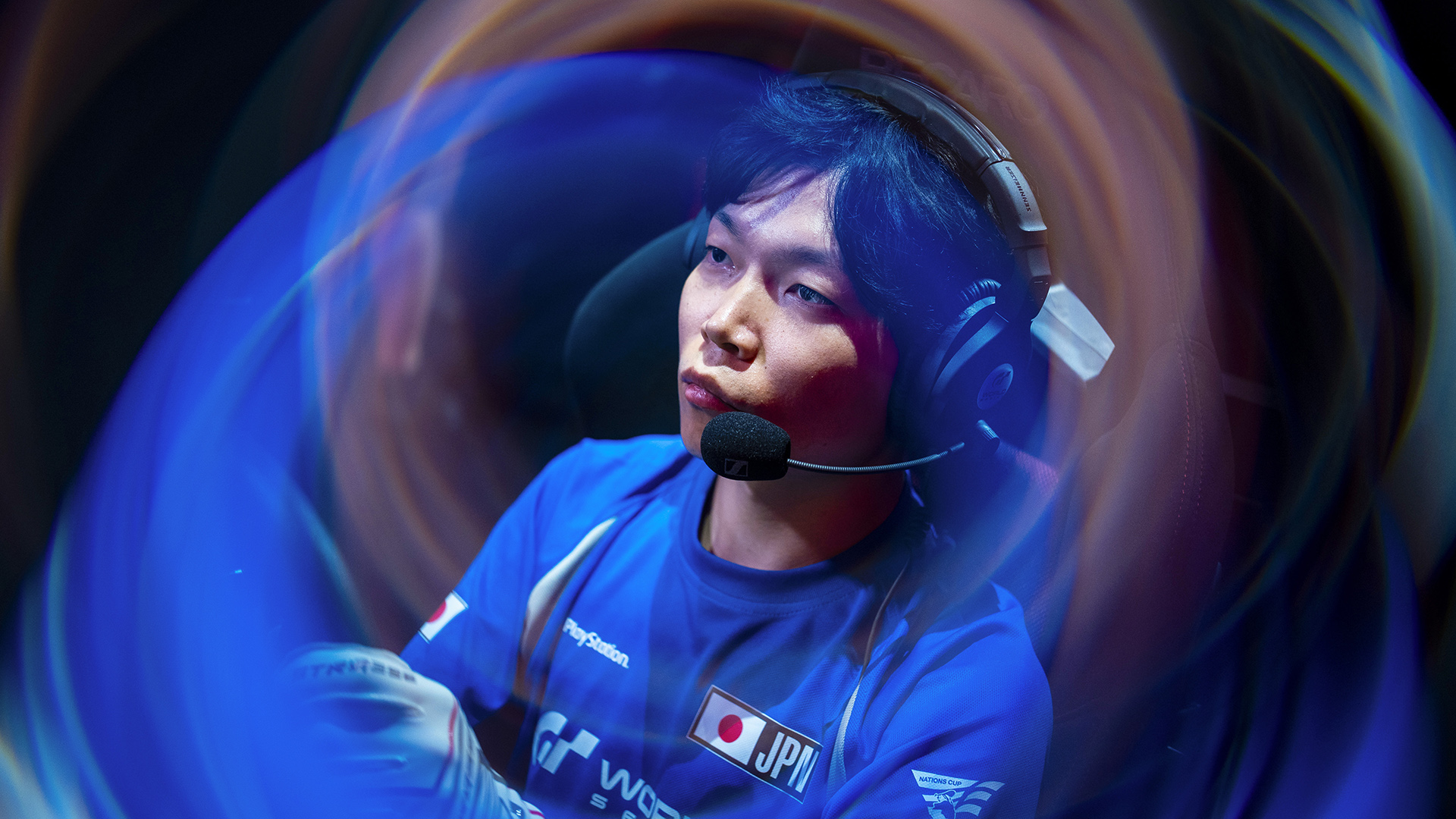
SINGAPORE (3 October 2026)— Following the Manufacturers Cup, attention shifted to Round 3 of the 2026 Gran Turismo World Series Nations Cup. This time, the championship battle unfolded before a capacity crowd at the Sands Theatre, located within the unmistakable Marina Bay Sands complex overlooking Singapore’s Marina Bay.
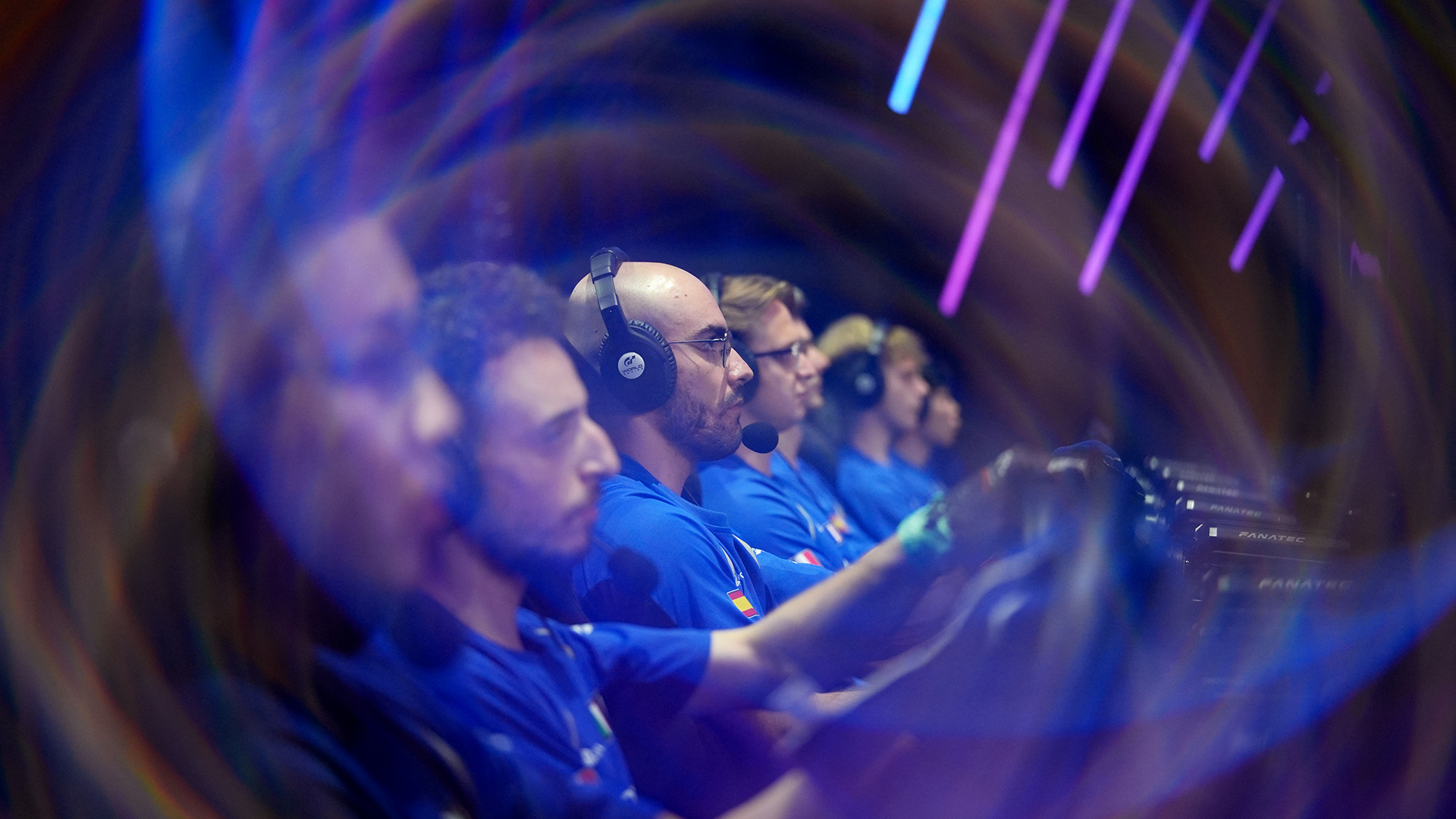
The 12-driver field once again assembled some of the fastest Gran Turismo competitors in the world, with the championship picture considerably tighter after an eventful Round 2 in Tokyo. Spain’s Pol Urra (Falcon_PolUrra) and defending champion Jose Serrano (Falcon_Josete) remained firmly in the title hunt, while Kylian Drumont (Vitality_Kylian) arrived in Singapore carrying considerable momentum after sweeping both the Sprint Race and Grand Final in Tokyo. Valerio Gallo’s (SFE_BRacer) runner-up finish there also pushed the former champion back into contention, while Samuel Moreno (S--Moreno) continued to establish himself as one of the season’s emerging threats.
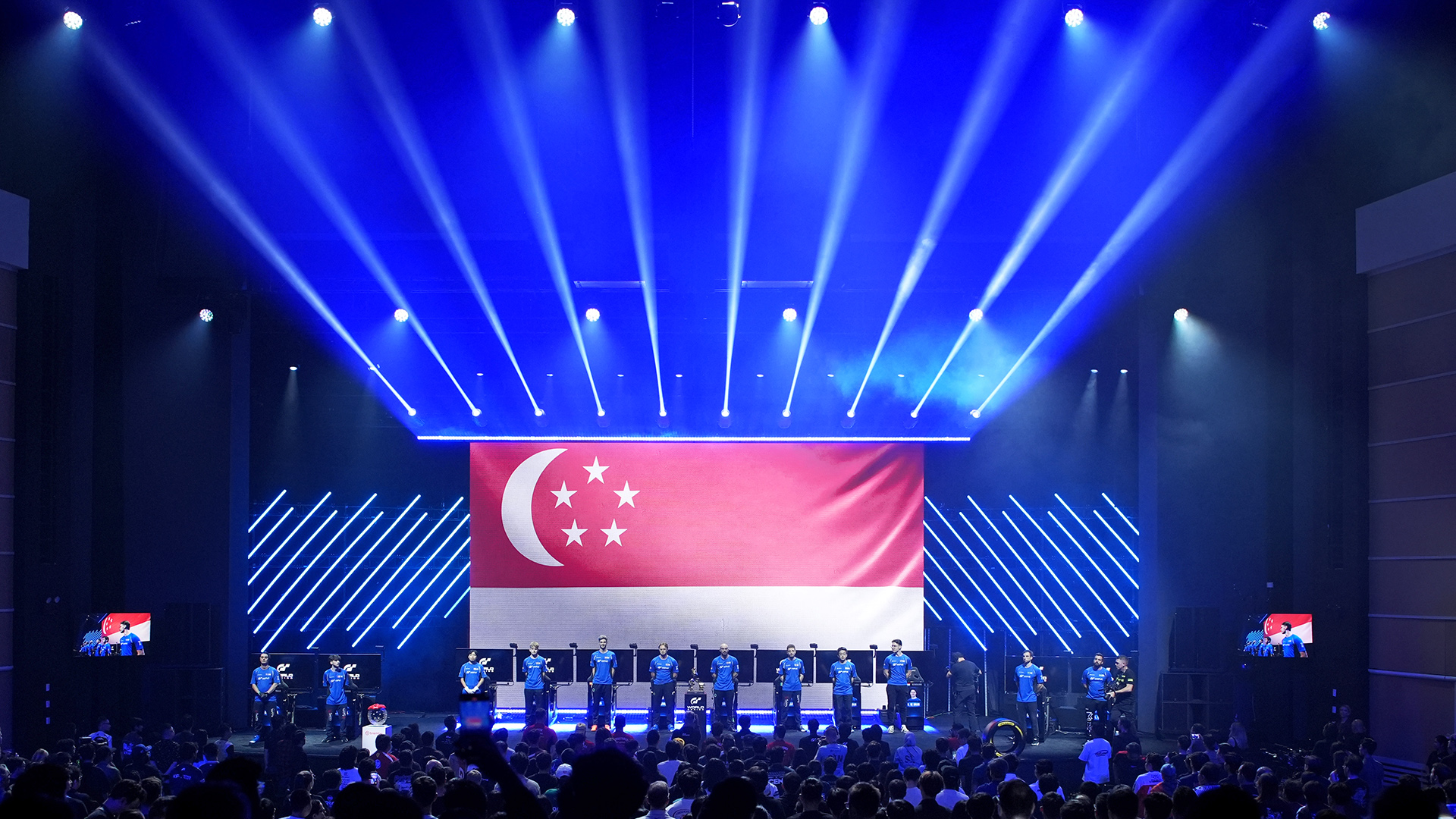
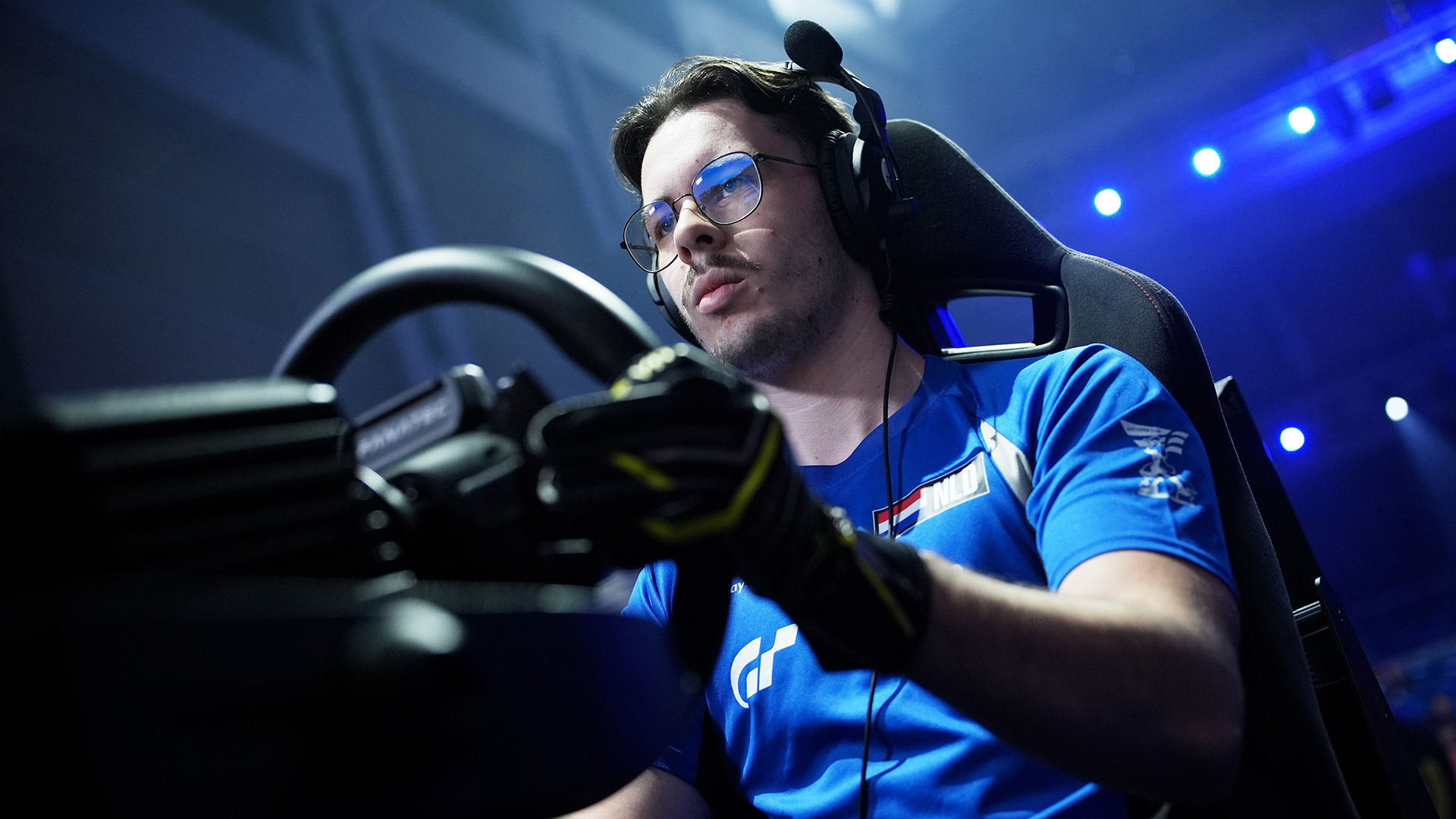
With only Singapore remaining before the World Finals, the margin for error was rapidly disappearing. As in the previous rounds, the Nations Cup would begin with a Sprint Race to determine the starting order for the all-important Grand Final.
Sprint Race: SUGO International Racing Course - 15 laps
Kaj de Bruin (Vitality_Kaj) of the Netherlands put himself on pole position for the Sprint Race, with Tokyo winner Drumont alongside him. Urra qualified 3rd, followed by Gallo, Adriano Carrazza (Didico__15) of Brazil and Lucas Bonelli (RVT_BONELLI) of Brazil. Japan’s Ryota Kokubun (Akagi_1942mi) lined up 7th, ahead of Canada’s Samuel Cardinal (SFE_Quartz), Moreno, and Australia’s Guy Barbara (SFE_Twitchy).
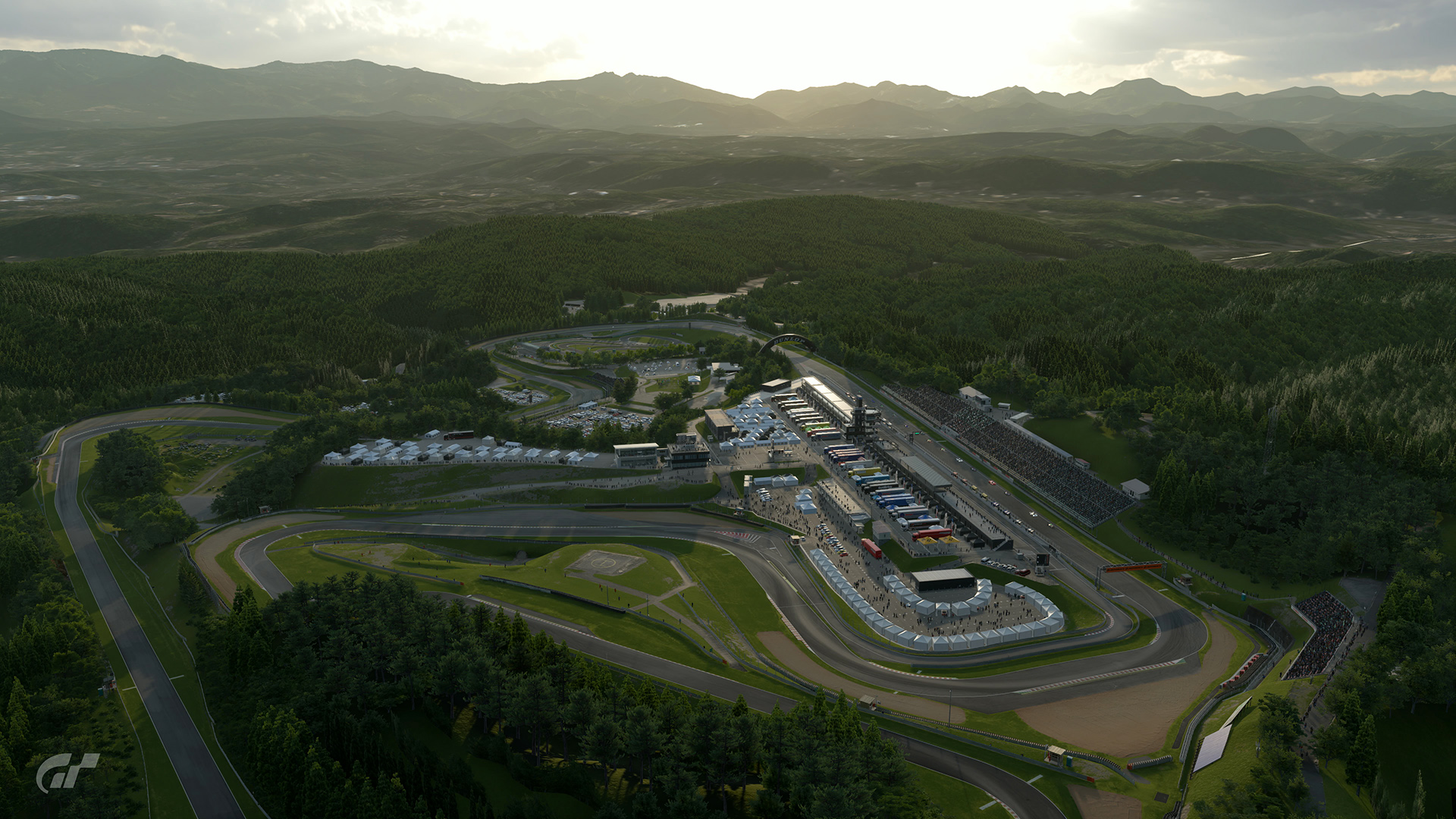
The biggest surprises were found at the rear of the grid. Two-time Nations Cup champion Takuma Miyazono (ZETA_Miyazono) qualified only 11th, while defending champion Serrano found himself all the way back in 12th.
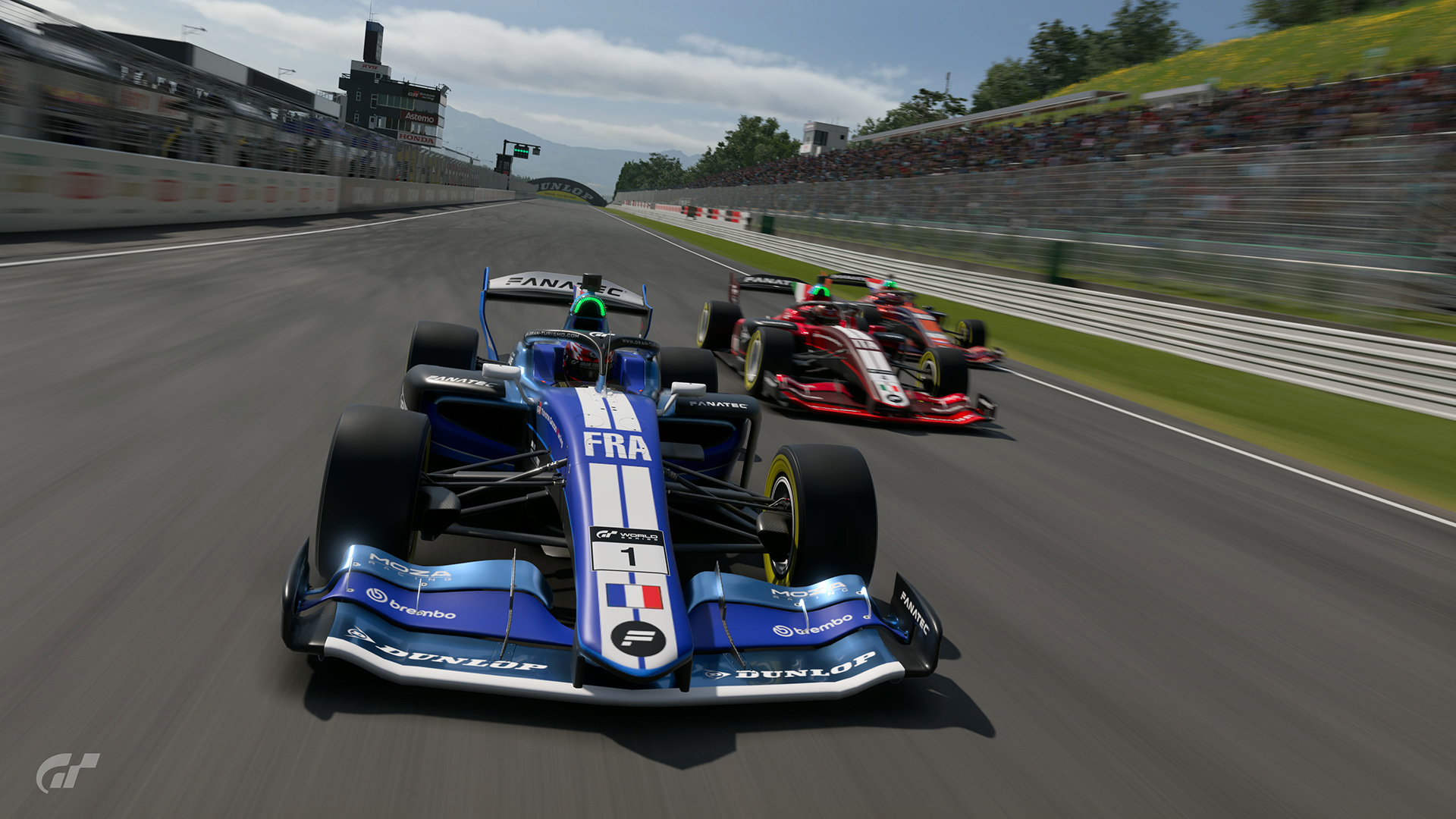
The drivers would contest 15 laps of SUGO International Racing Course aboard identical Toyota SF23 Super Formula machines. No tyre changes were required, leaving little room for strategic manipulation. This would be a straight fight for track position, and with the finishing order determining the Grand Final grid, every place mattered.
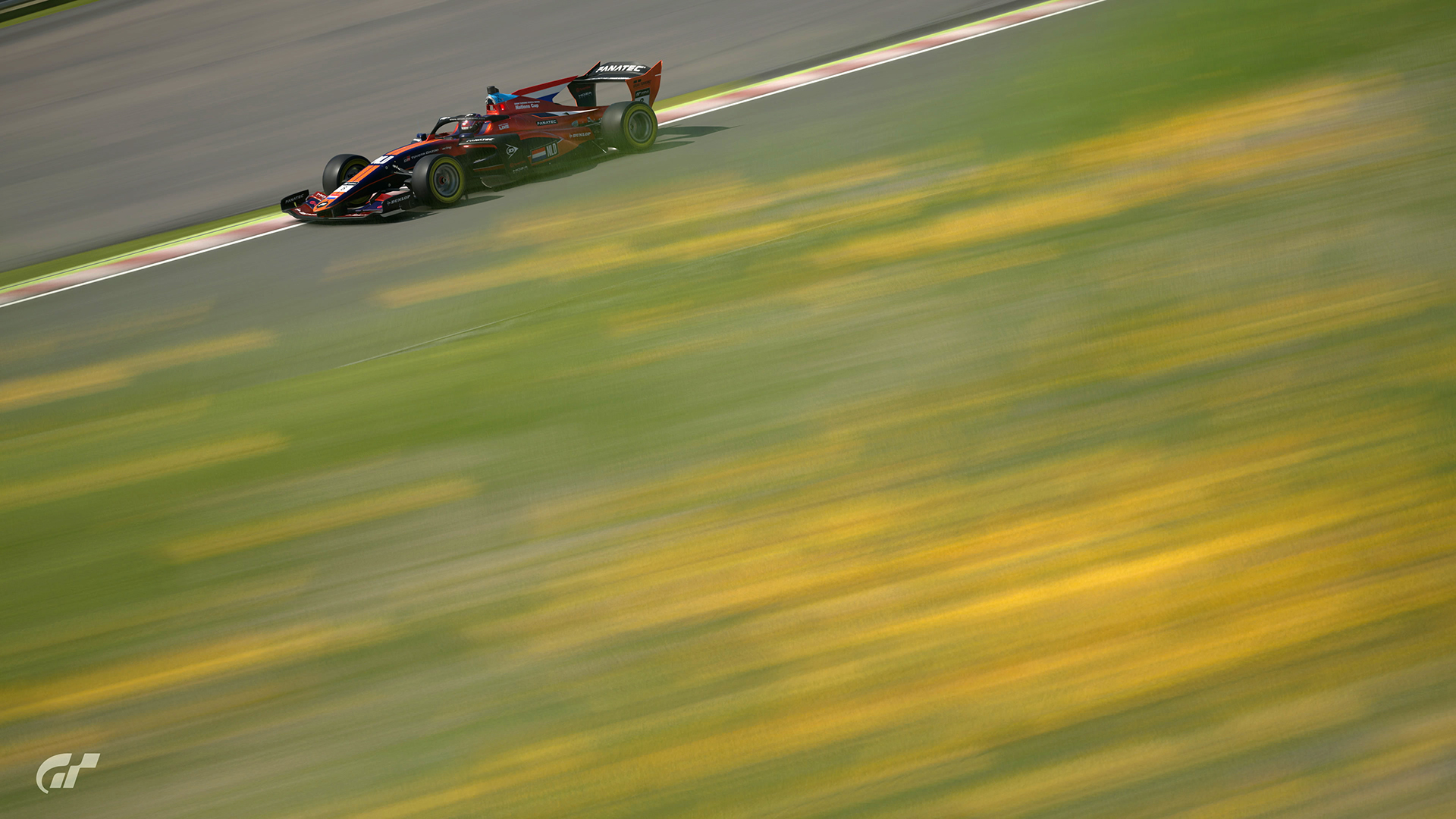
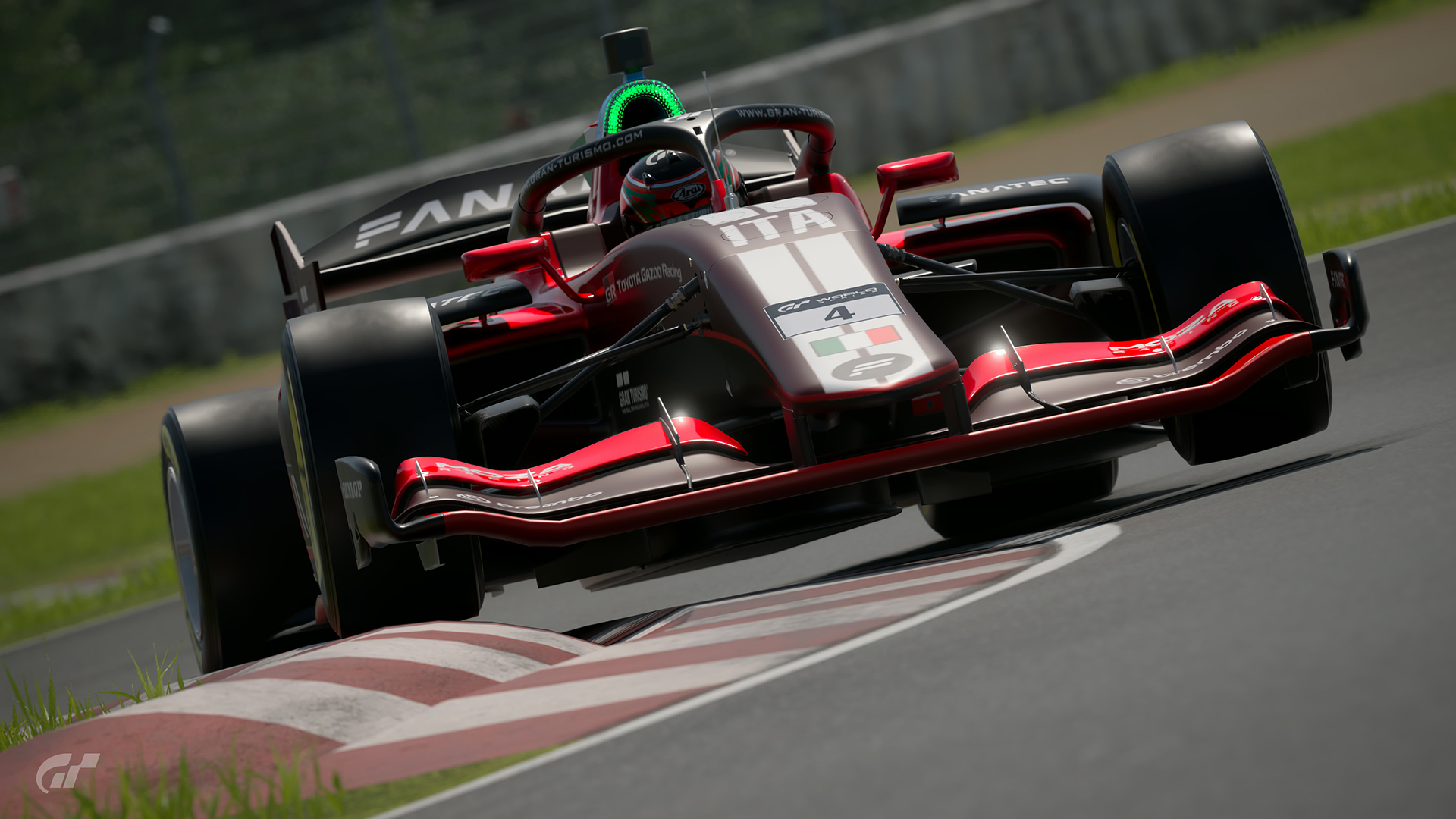
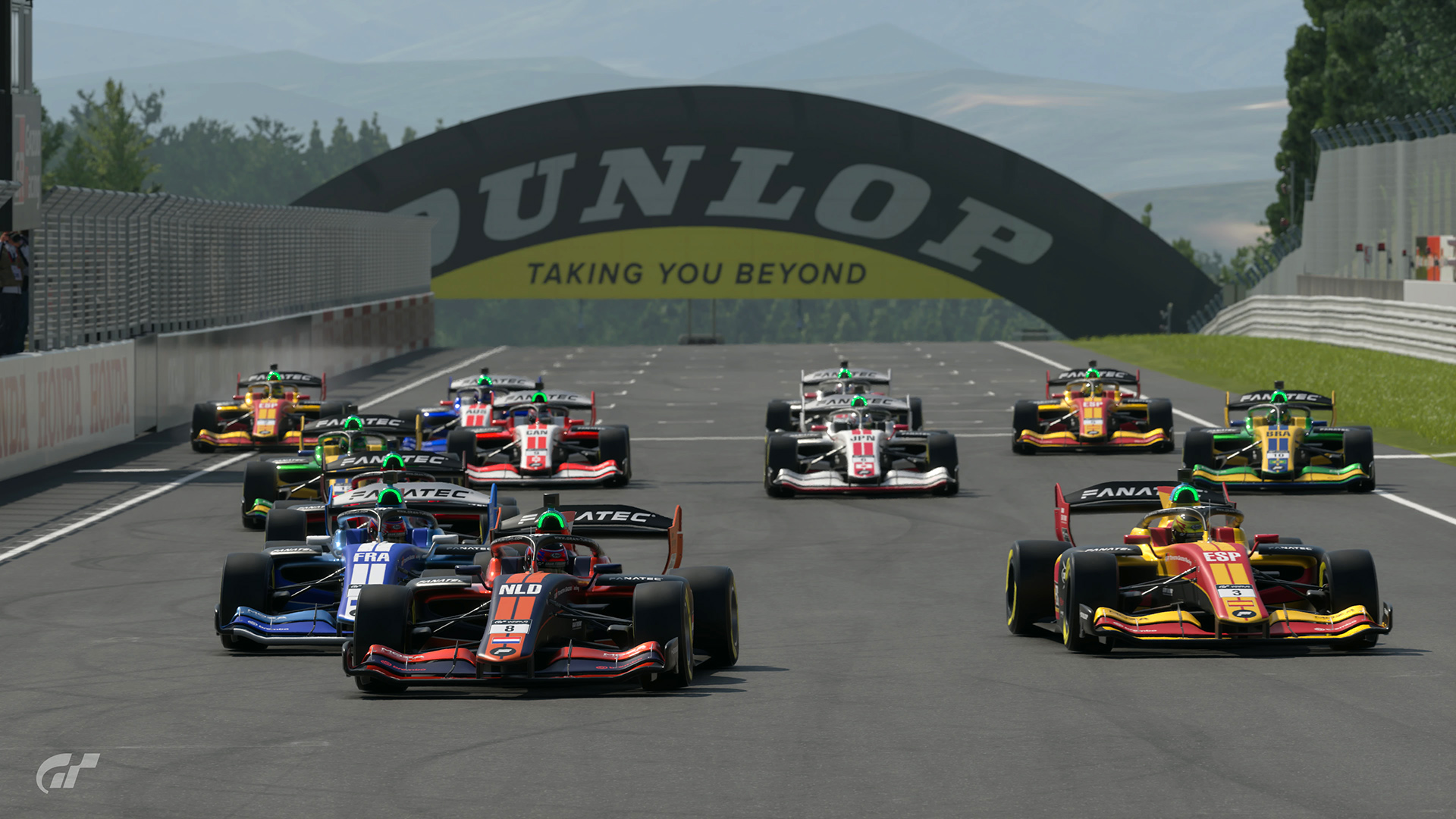
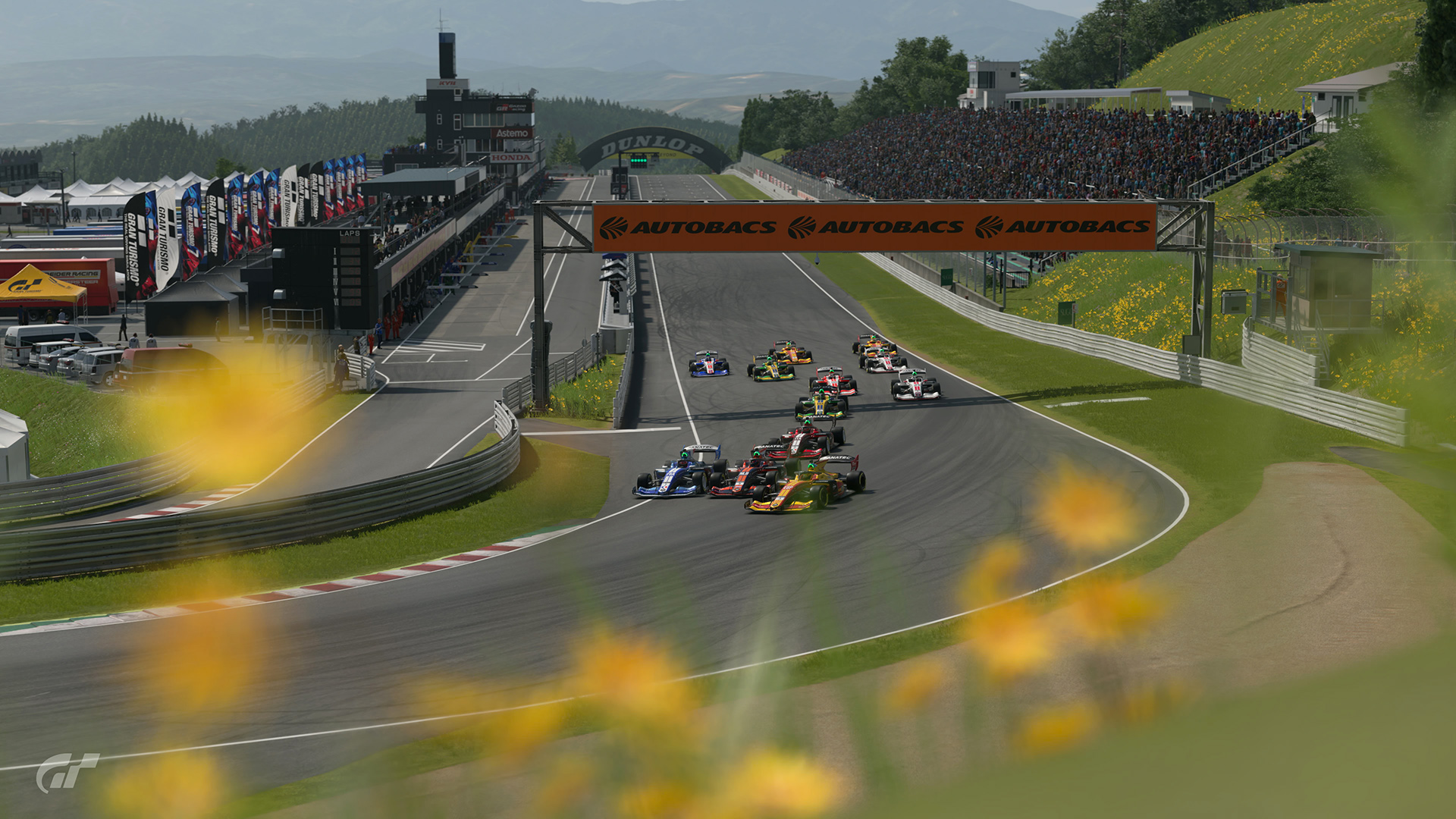
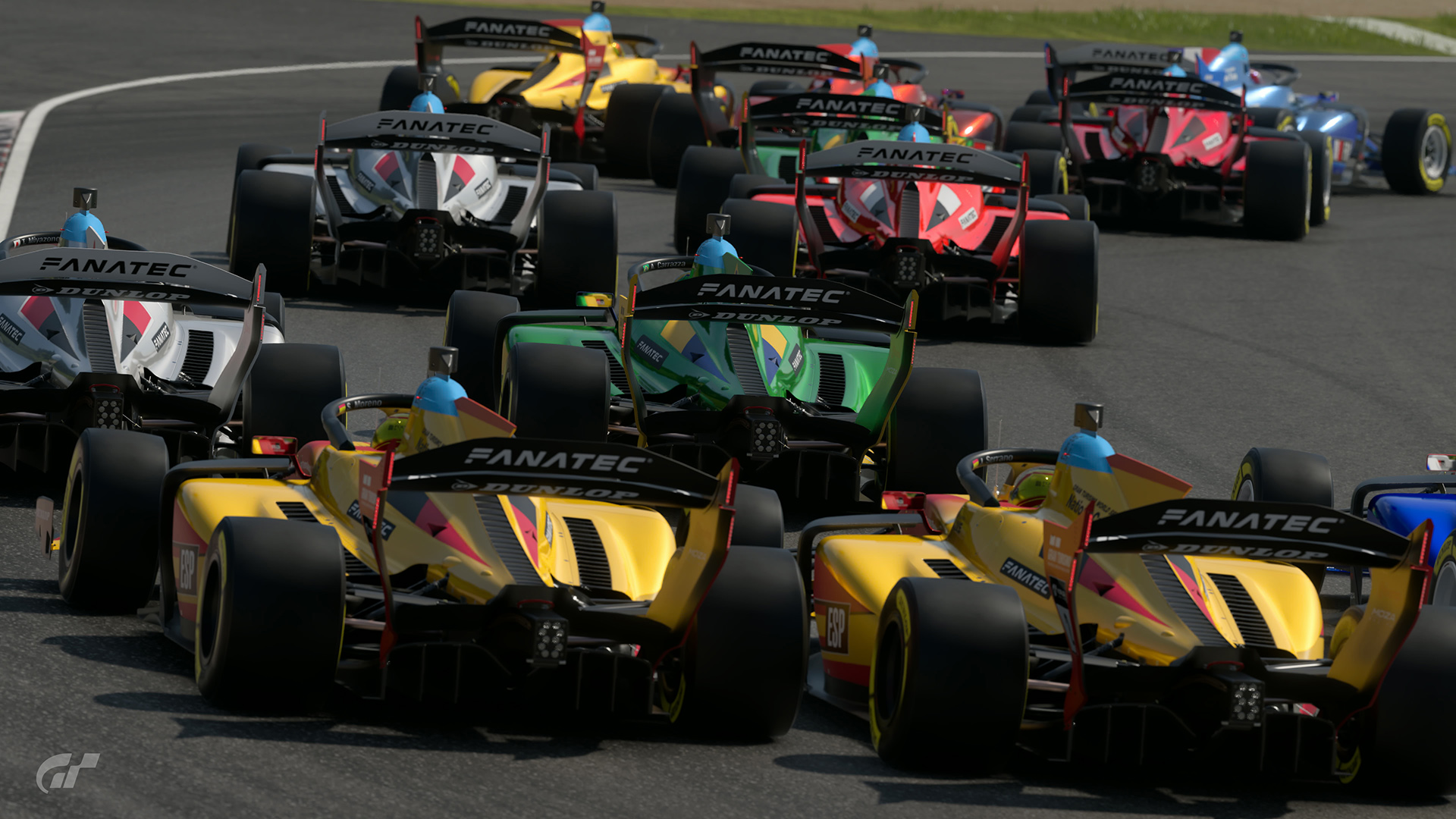
Urra wasted no time attacking. When the lights went out, the Spaniard blasted around the outside of the leaders through the opening corner in an attempt to seize control immediately. The move briefly put him among the front-runners, but the advantage did not last. Drumont emerged with the lead, de Bruin settled into 2nd, and Gallo slipped past Urra to take 3rd.
The Japanese drivers were aggressive as well. Kokubun gained one position during the opening scramble, while Miyazono immediately began undoing the damage from his poor qualifying effort by climbing two places.
Once the field settled, the order at the front was Drumont, de Bruin, Gallo, Urra, and Kokubun.
For the next several laps, the leaders remained tightly grouped, with Gallo and Urra lurking close behind. Then, on lap 7, the balance shifted again. Drumont and Gallo both used the draft to sweep past de Bruin on the back straight, dropping the Dutchman from the lead to 3rd in the space of a few seconds.
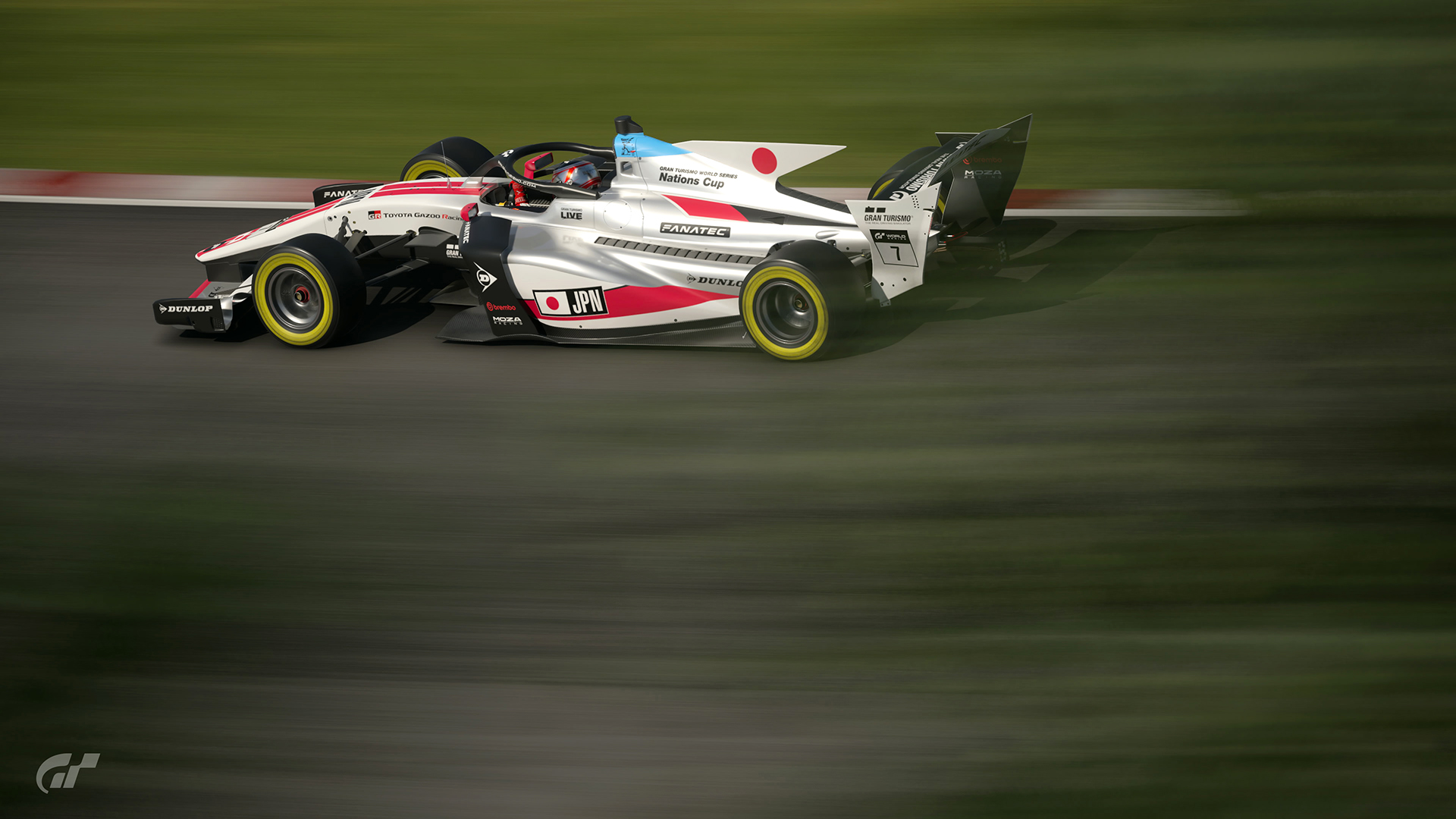
Further back, Miyazono was quietly producing one of the strongest drives of the race. Starting 11th, the Shogun of Speed methodically worked his way through the field and, by lap 8, had climbed all the way to 5th—a gain of six positions in just over half the race.
At the front, Drumont began to create some breathing room. His advantage grew beyond one second as Gallo and de Bruin became occupied with their own battle for 2nd place.
De Bruin finally found his opening on lap 12 and slipped past the Italian Stallion. With only three laps remaining, he set off after Drumont, hoping to repeat his earlier pass for the lead, but Gallo had no intention of surrendering quietly. The former Nations Cup champion stayed glued to the Dutchman and waited until the final lap to strike back. He found a way past de Bruin to reclaim 2nd place, but by then Drumont was too far ahead to threaten.
The Frenchman crossed the line first, producing another dominant Sprint Race performance and securing pole position for the Grand Final. Gallo finished 2nd, with de Bruin completing the top three. Urra placed 4th, followed by Carrazza and an impressive Miyazono in 6th. Bonelli finished 7th, while Serrano recovered from last on the grid to claim 8th. Kokubun, Moreno, Barbara, and Cardinal completed the field.
For Drumont, it marked another impressive Sprint Race victory following his commanding performance in Tokyo. More importantly, it placed him in the ideal position for the far more consequential contest still to come.
Grand Final: Circuit de Sainte-Croix - B Reverse - 24 laps
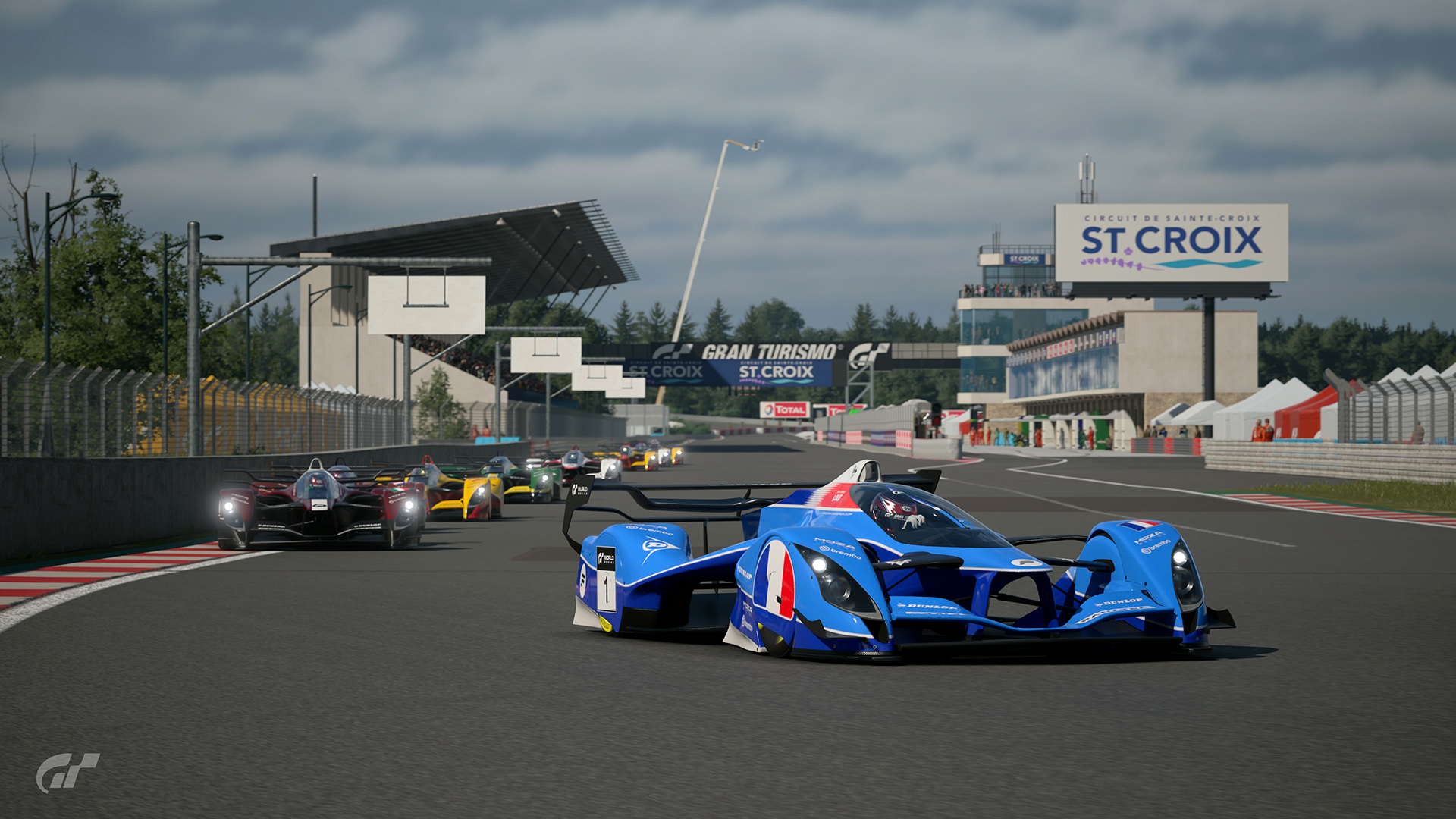
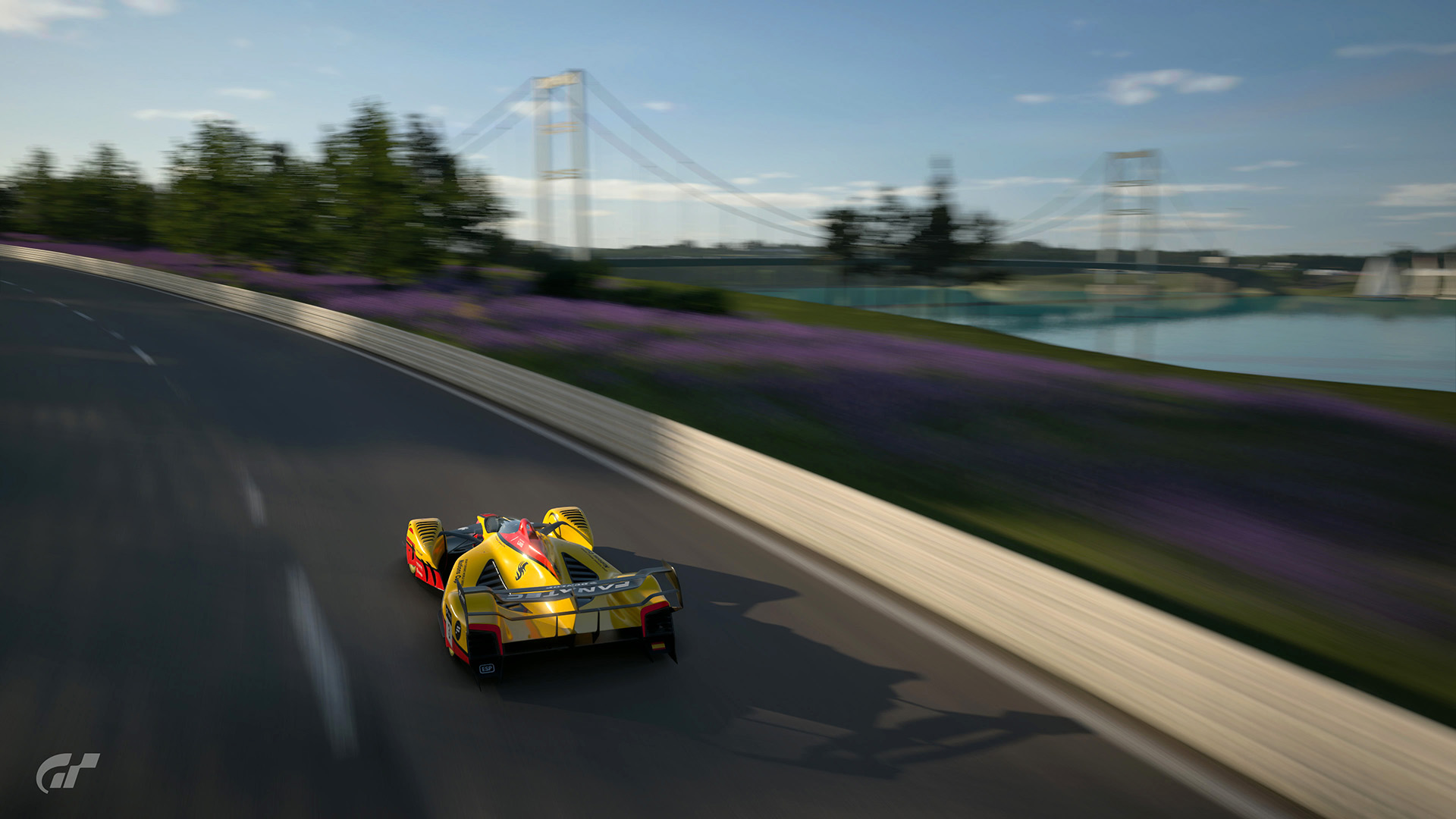
For the Grand Final, all 12 competitors returned to the extraordinary Red Bull X2019 Competition. Producing 816 ps while weighing just 650 kilograms, the futuristic machines would exceed 300 km/h around the sweeping Circuit de Sainte-Croix B Reverse layout. As in the previous Grand Final, the three Dunlop compounds—hard, medium and soft—were all mandatory. Every driver would have to use each at some point during the 24-lap race, making pit timing and tyre management critical, but there was another factor this time: fuel.
The X2019’s enormous pace meant that fuel consumption could vary significantly depending on driving style, slipstream use, and race position. Every extra litre added during a pit stop cost valuable time, turning fuel conservation into an equally important strategic weapon.
Nearly the entire field began on medium-compound tyres. Only the final two starters chose differently, while the leading group appeared content to keep its options open through the opening stint. The rolling start was remarkably clean. No one attempted a desperate move through the first corner, and the field quickly formed into a high-speed train. The first ten cars remained separated by less than a second each, all travelling at more than 300 km/h while exercising unusual restraint. The message was clear: the real battle would begin once the pit strategies diverged.
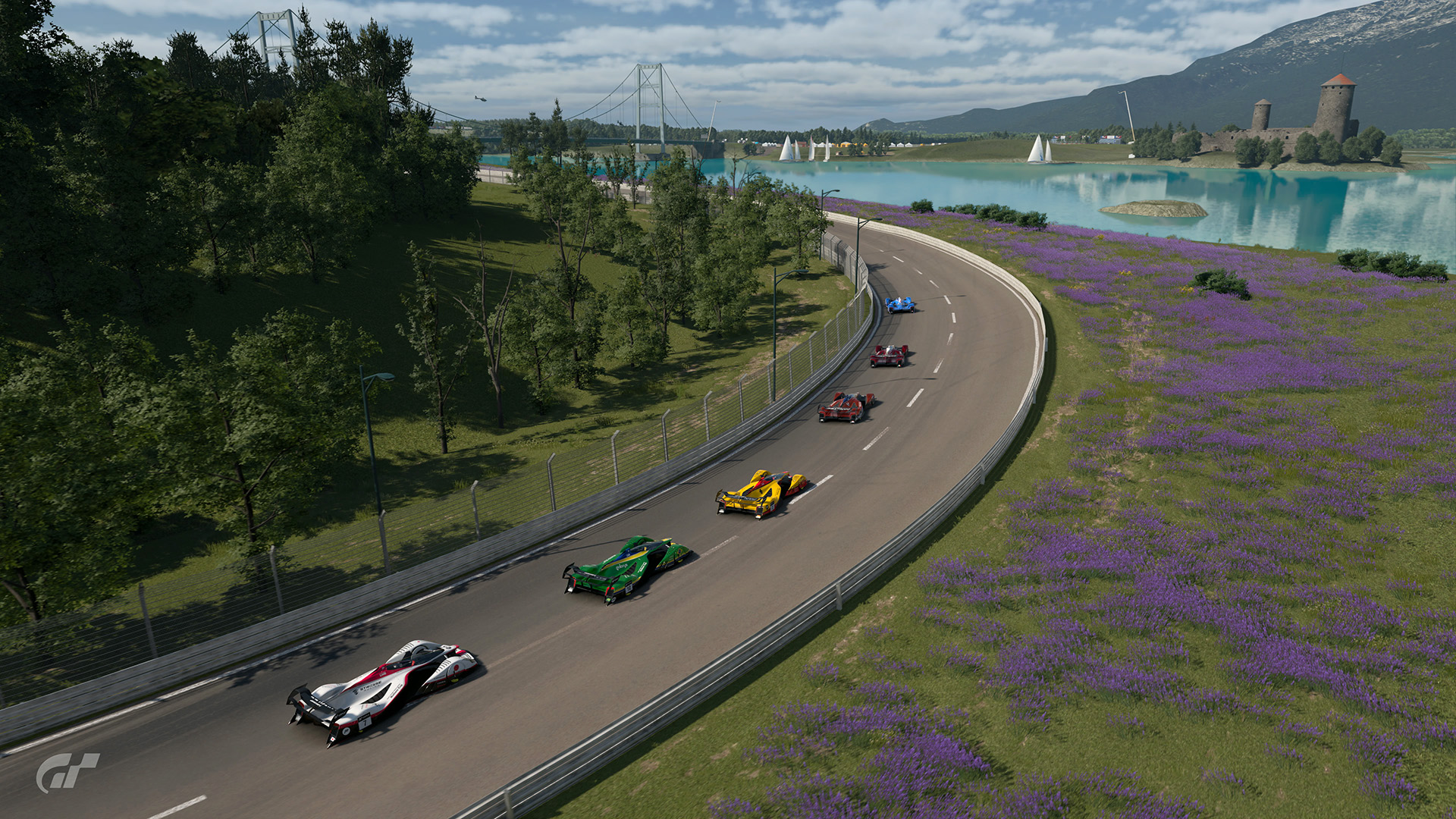
Urra made the first significant move at the end of lap 7, slipping past de Bruin to take 3rd place. But for the most part, the leading pack remained tightly compressed through the first half of the race.
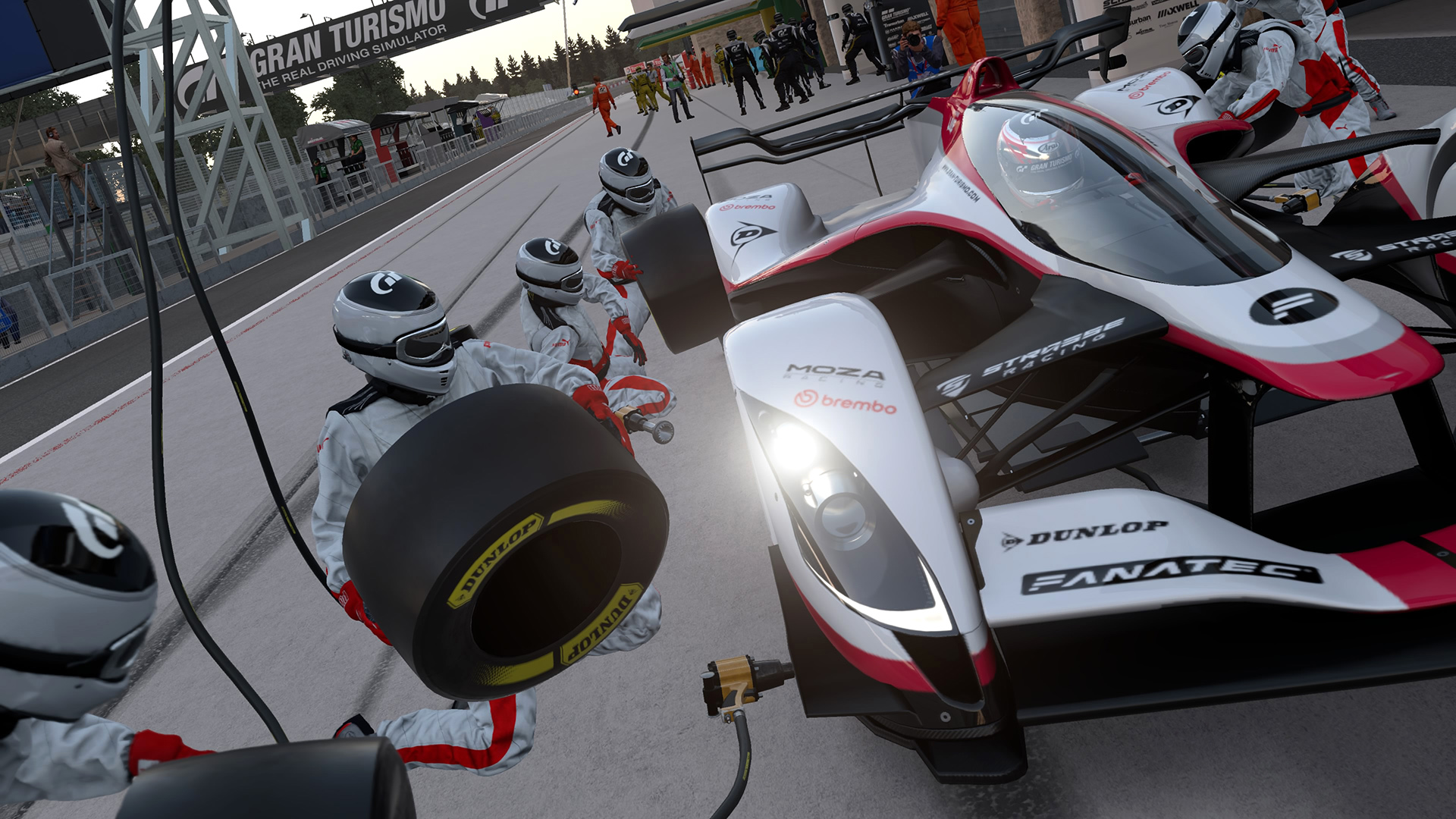
Miyazono and Bonelli were the first major players to show their hands, diving into the pits on lap 11. Both switched to soft-compound Dunlops, but there was an important difference in their stops. Miyazono required considerably less fuel and emerged approximately four seconds ahead of Bonelli. That gap offered the first clear indication that fuel strategy might prove just as important as tyre choice.
Urra provided another clue. Running near the front, the Spaniard had consumed roughly four litres less fuel than Drumont over the opening stint. With approximately three litres translating to around one second of refuelling time, those savings could become enormously valuable later in the race.
As the leaders approached the end of their opening stints, tyres began to fade and fuel levels dropped dangerously low. Most of the front-runners finally came in together. Drumont, de Bruin, Carrazza, and Moreno switched to softs. Gallo and Kokubun went the opposite direction, fitting the slower hard compound and attempting to clear it before the closing stages.
Urra stayed out for one additional lap before joining fellow Spaniard Serrano in the pits. Both selected hard tyres and added fuel, committing themselves to yet another variation of the developing strategy.
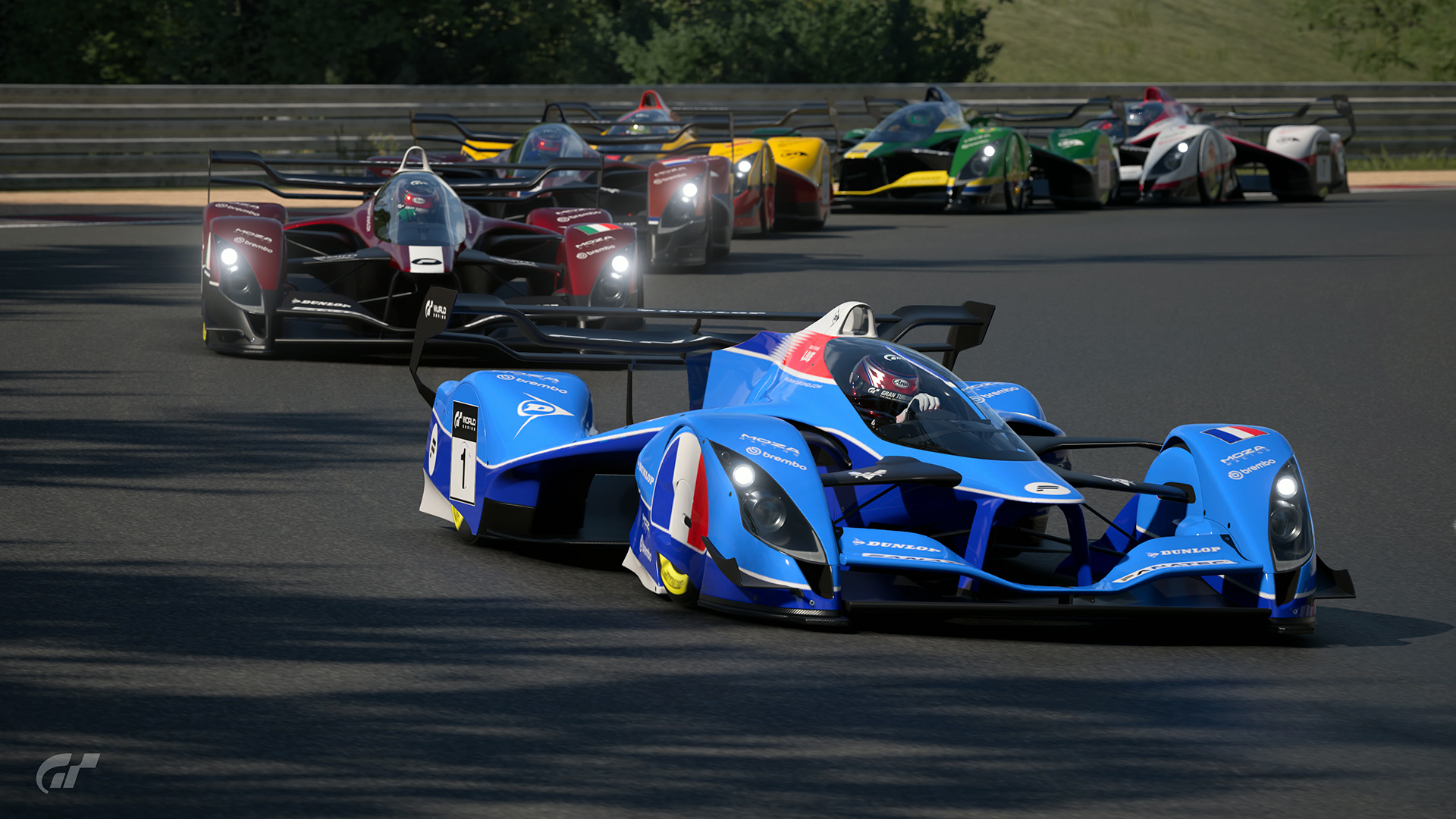
By the time everyone had completed a first stop, the race looked completely different. On lap 15, Miyazono led Bonelli, Urra, Serrano, Drumont, and de Bruin. The Japanese driver’s decision to switch early to the soft compound had paid enormous dividends. With clear track and maximum grip, he had built an advantage of approximately six seconds.
Then disaster struck Drumont. The Frenchman was assessed a massive two-second penalty for contact with another car, costing him valuable time and dropping him down the order. Urra was also penalised, receiving half a second for exceeding track limits. The penalties reshuffled the field, but the most intriguing strategic question still centred on Miyazono.
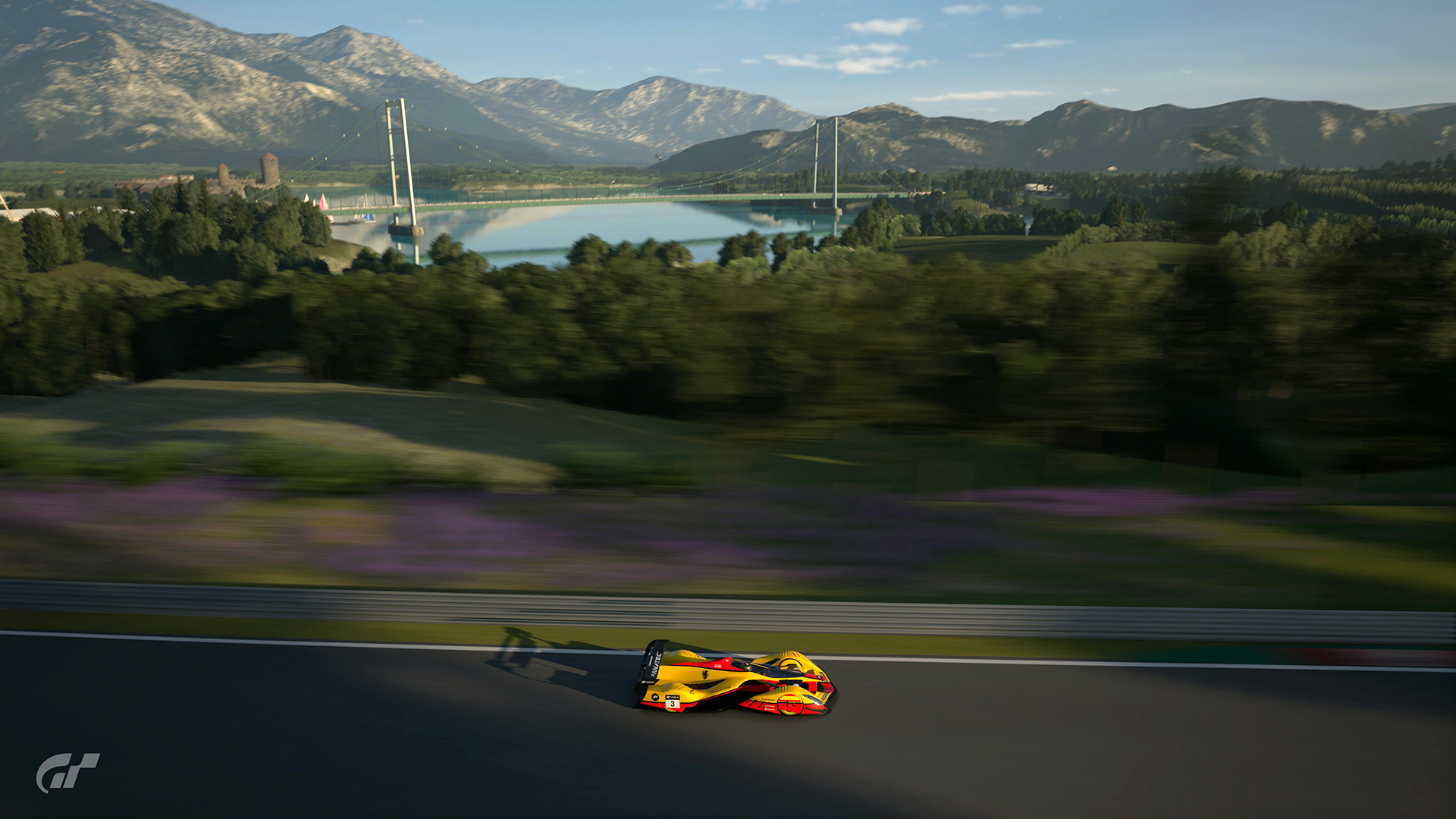
On lap 16, he and Bonelli returned to the pits. Miyazono had built roughly a 15-second advantage over Drumont, who was running 3rd at the time, and rather than abandon the aggressive approach, the Japanese star doubled down. He fitted another set of soft-compound Dunlops. It was now clear that Miyazono had committed to a three-stop strategy.
The conventional approach called for two stops, minimising time lost in pit lane. Miyazono was betting that the additional pace from a second stint on softs would more than compensate for the extra visit to the pits. It was exactly the sort of strategic gamble that had defined so many of the two-time champion’s greatest performances.
When he returned to the track, however, Miyazono found himself down in 10th place. The numbers were daunting. He still needed to make another stop, still needed to use the hard compound and had only eight laps remaining to recover all the time he had surrendered. Could the Shogun of Speed pull off another miracle?
The answer would depend not only on Miyazono’s pace, but on what everyone else chose to do.
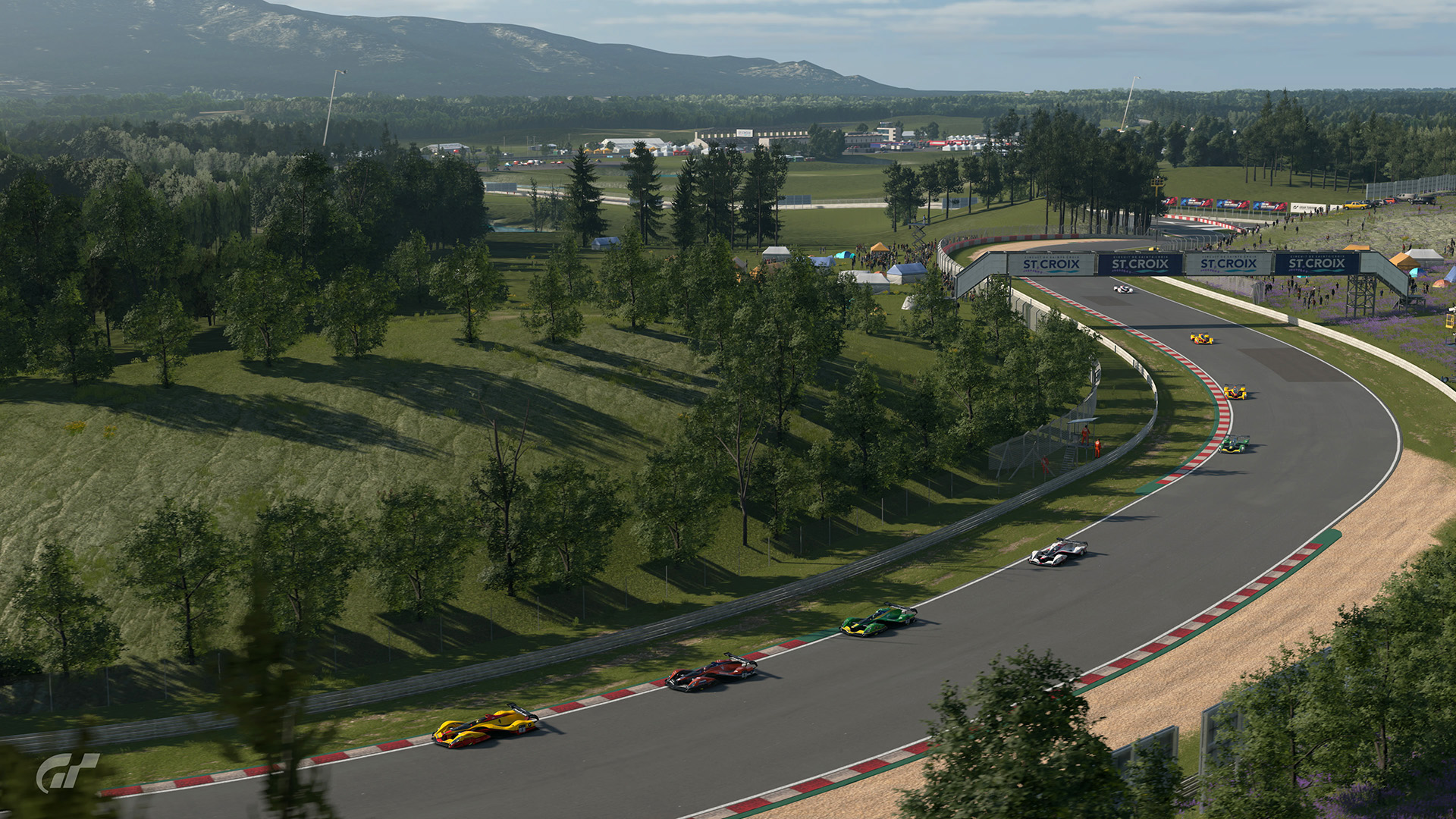
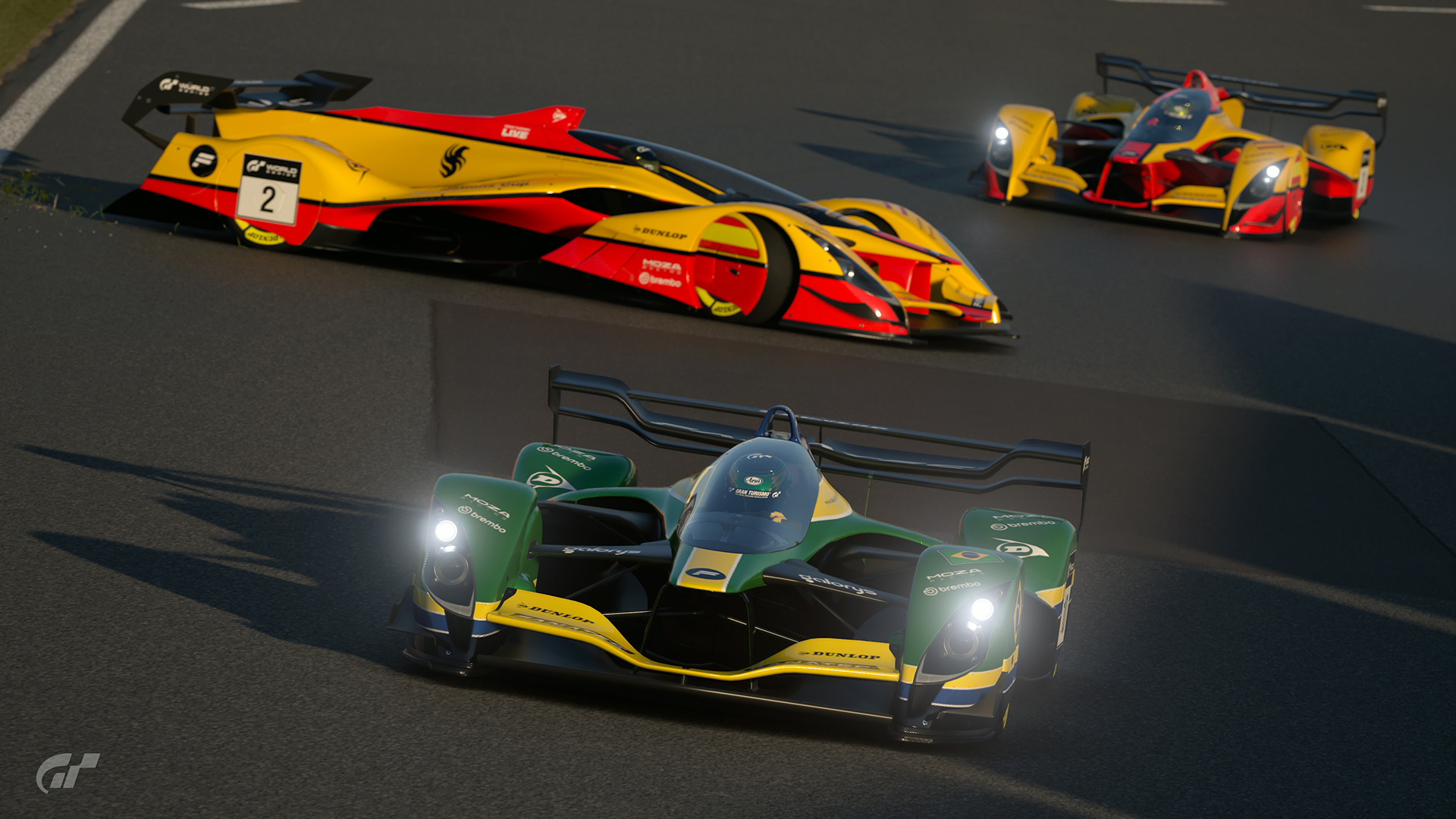
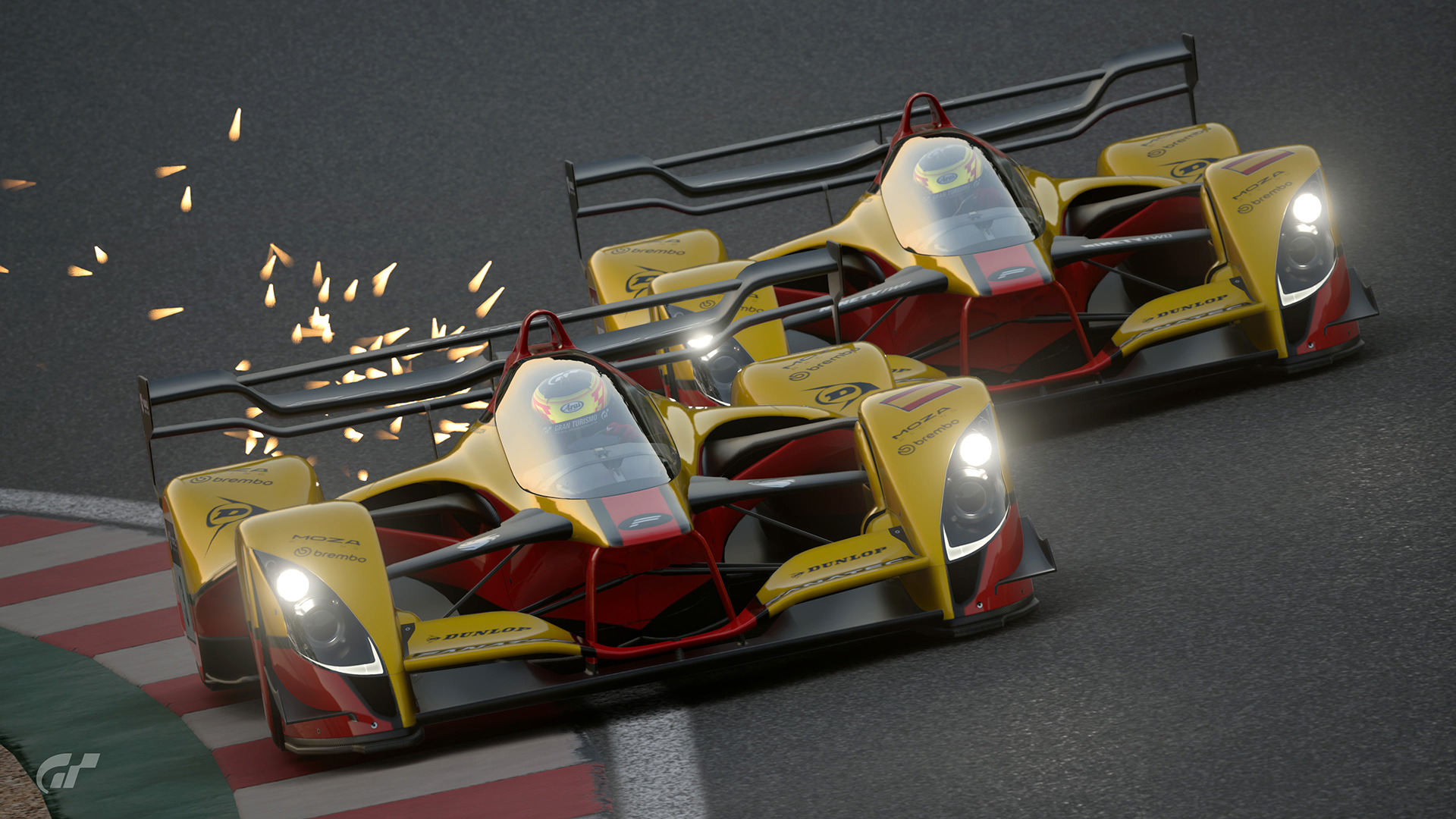
On lap 19, Urra, Serrano, Gallo, and Kokubun all came into the pits together. Each fitted soft-compound Dunlops, setting themselves up for an all-out sprint to the chequered flag.
One lap later, Drumont, de Bruin, and Carrazza finally made their stops. Their fuel tanks were nearly dry, with some carrying only one to three litres when they entered pit lane. All three switched to hard tyres for the final stint. The sequence temporarily placed Miyazono back at the front, although he still had his mandatory hard-tyre stint remaining.
Then Moreno suddenly found himself leading the race. The Spanish newcomer had quietly managed his own strategy while the established champions traded positions around him. He finally made his last stop one lap later and returned to the track in 3rd, his mandatory tyre changes complete. From there, his race became simple: push to the finish.
Miyazono and Bonelli remained ahead, but neither had yet used the hard compound. Rather than stop immediately, both stretched their final soft-tyre stints all the way to the last possible moment.
As the final lap approached, Miyazono held a 6.4-second advantage over Bonelli and approximately 15 seconds over Moreno in 3rd. The Japanese driver had extracted virtually everything possible from his unconventional strategy. But he still had to pit.
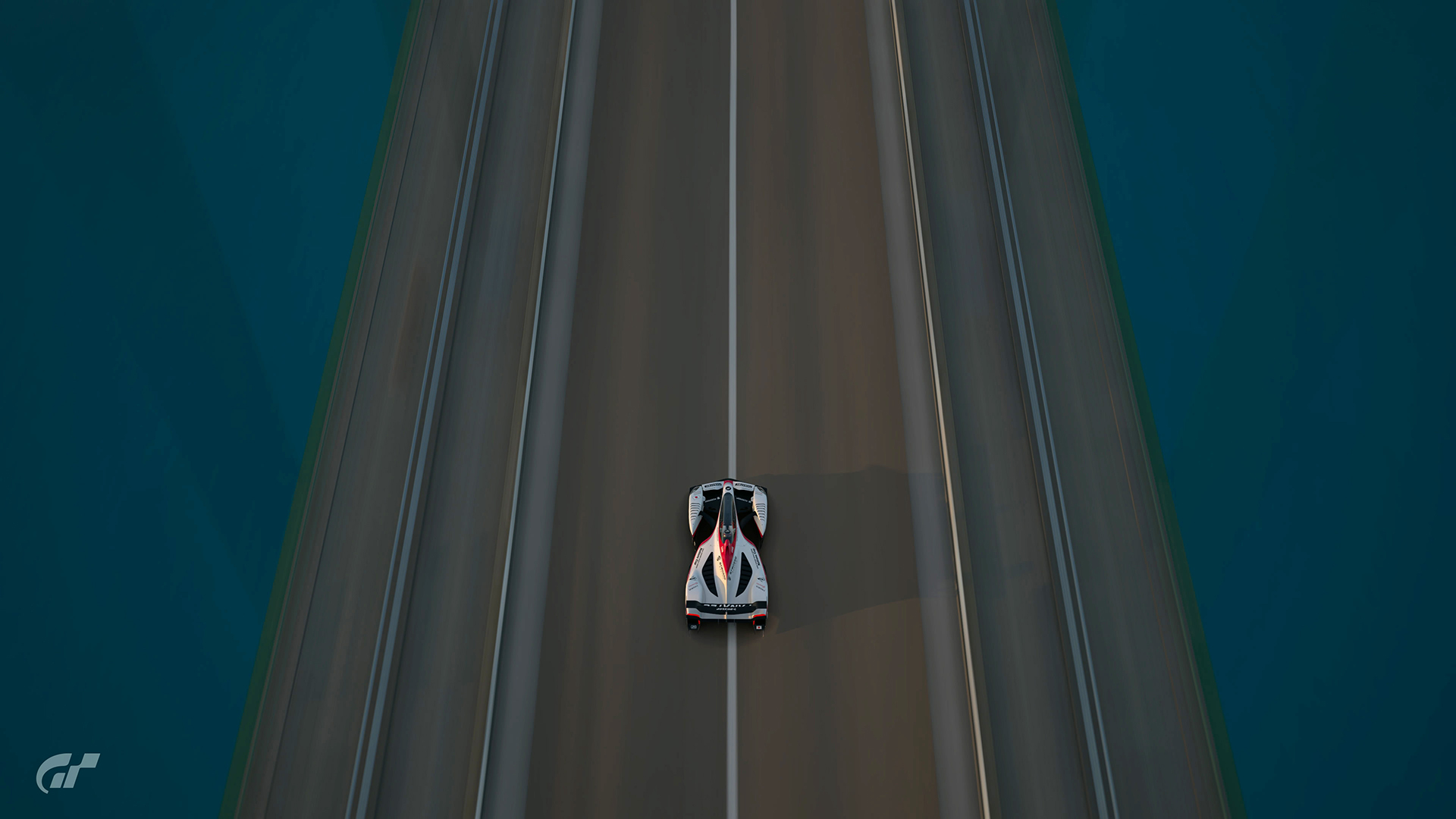
Miyazono and Bonelli both dove into pit lane at the beginning of the final lap to complete their mandatory hard-tyre stints. The question was whether the enormous gap Miyazono had created would be enough.
It was.
Miyazono emerged from the pits still leading—but by only 1.6 seconds.
Behind him, Moreno was charging on hard tyres, while Urra was closing even faster on softs. The Spaniard quickly dispatched Moreno and set his sights on Miyazono. There was now one lap remaining. Urra clearly possessed the faster car. His fresh soft-compound Dunlops offered considerably more grip than Miyazono’s hards, and every braking zone became an opportunity. But Miyazono refused to give him one.
The Japanese veteran positioned the X2019 perfectly through corner after corner, forcing Urra to search for a way around rather than through. The gap disappeared, but the position remained Miyazono’s.
Urra made one final attempt through the last corner, throwing everything he had at the Japanese driver, but it was too much. The Spaniard kissed the wall on corner exit and lost momentum, allowing Serrano to sweep past and steal 2nd place in the final moments, but it was Miyazono who crossed the line first.
It was a drive for the ages.
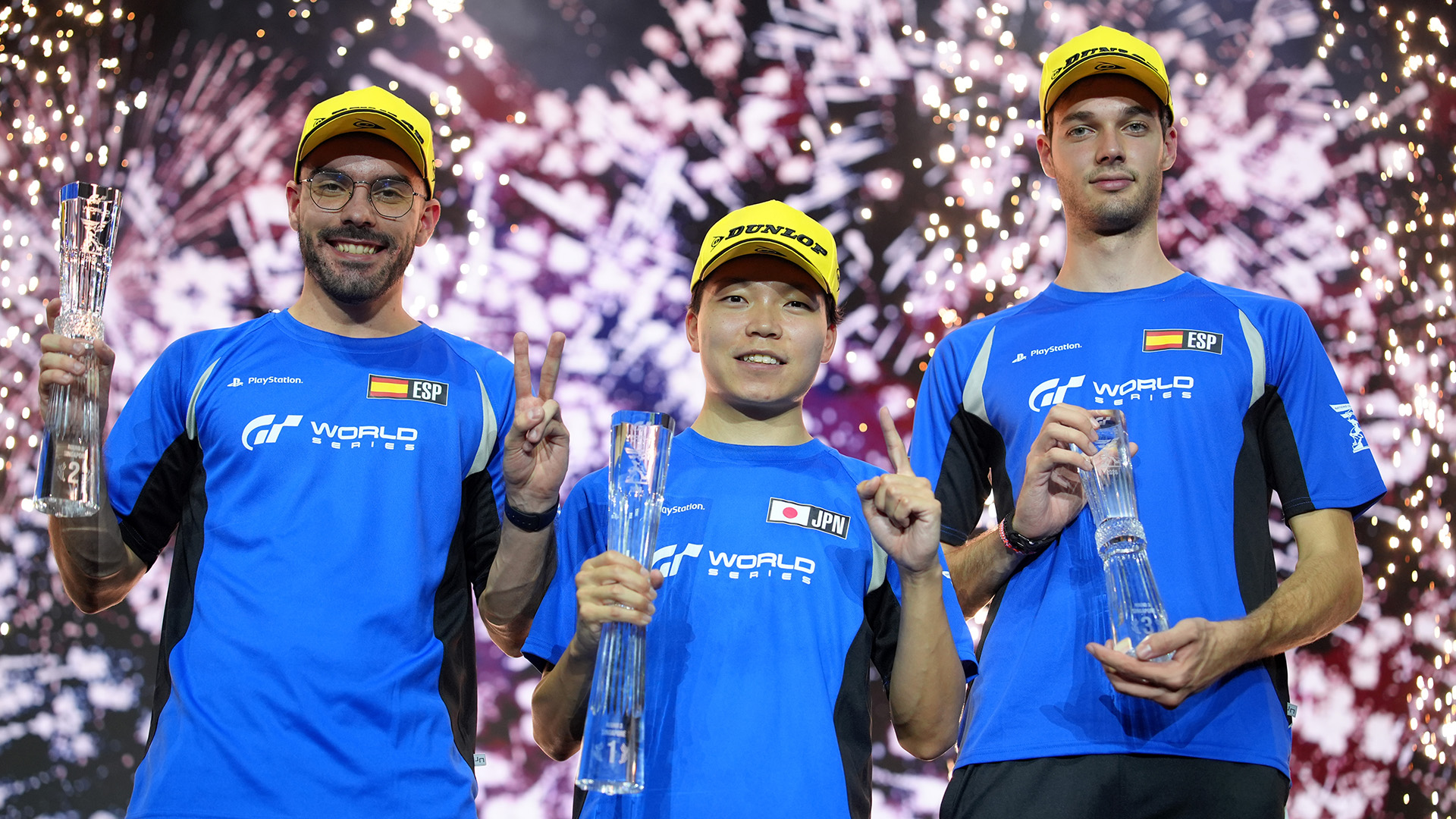
Starting the day in 11th place and the Grand Final in 6th, the two-time Nations Cup champion had abandoned the conventional strategy, made three pit stops, twice used the soft compound to maximise his pace and somehow created enough of an advantage to survive the final lap on hards. Behind him, Serrano, El Rayo de Granada, completed an equally impressive recovery. Starting 8th, the defending champion methodically fought his way through the field and capitalised on Urra’s final-corner mistake to claim 2nd place. Urra recovered to finish 3rd, completing an all-star podium consisting of three of the most accomplished drivers in the field.
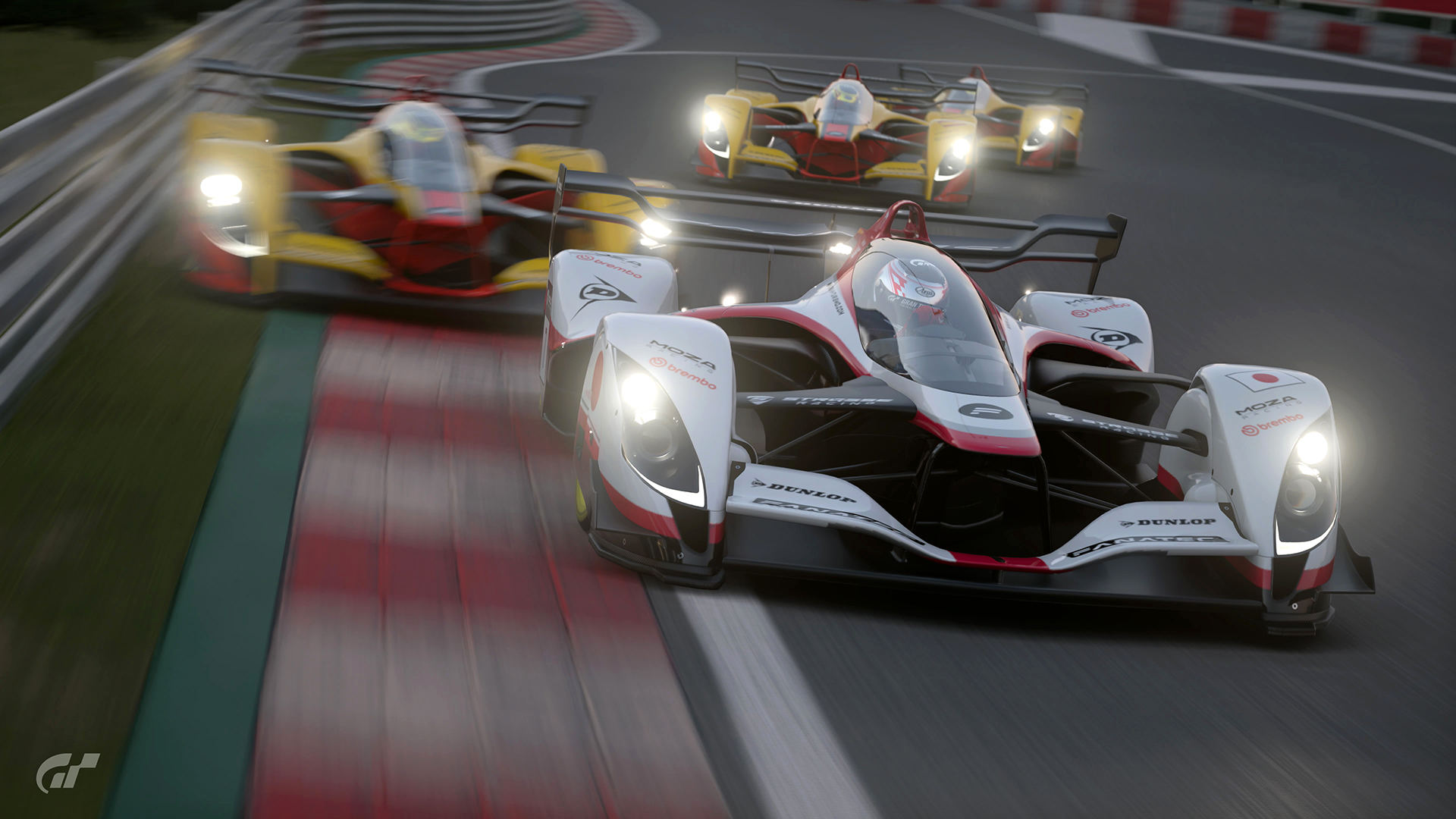
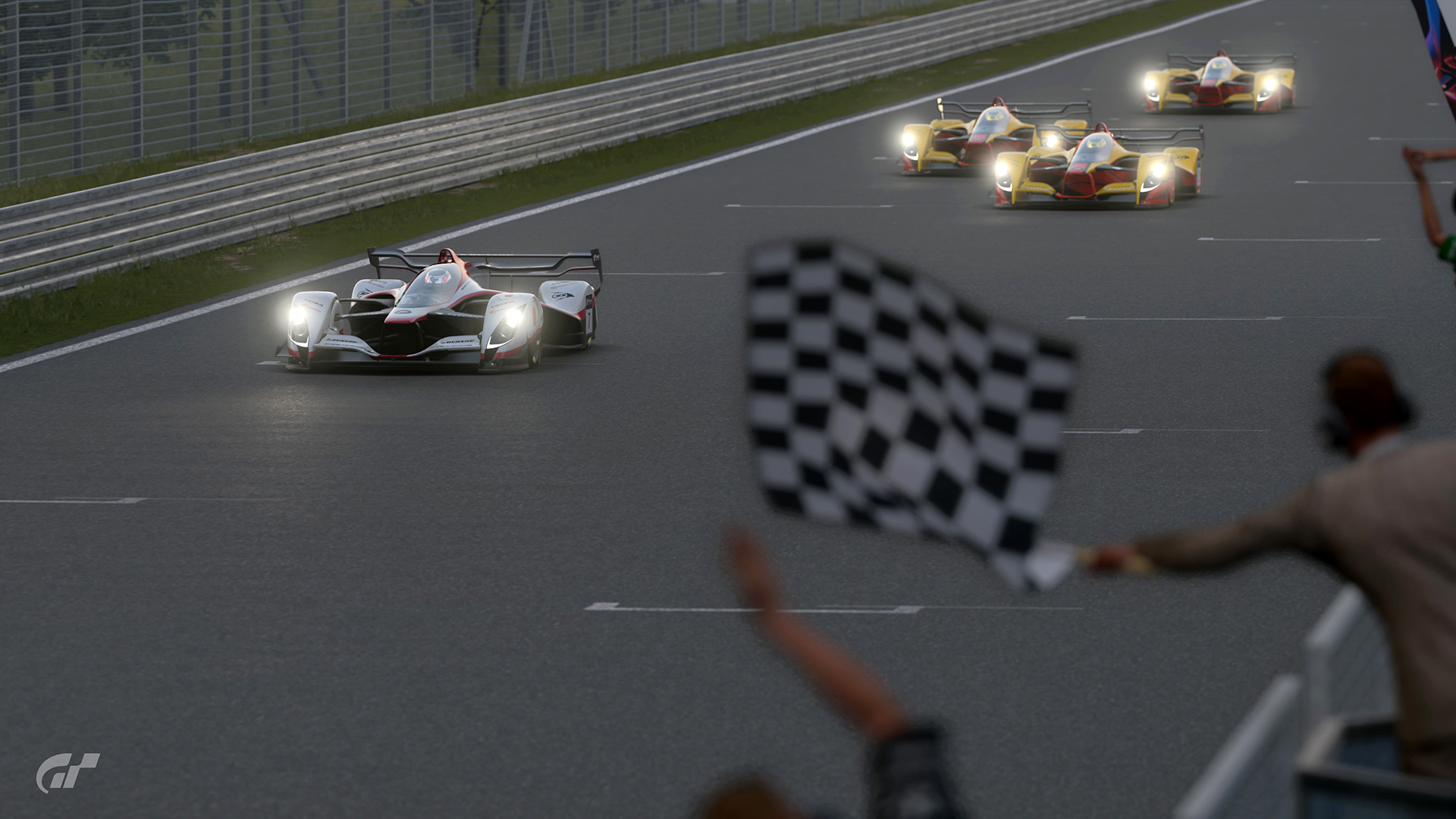
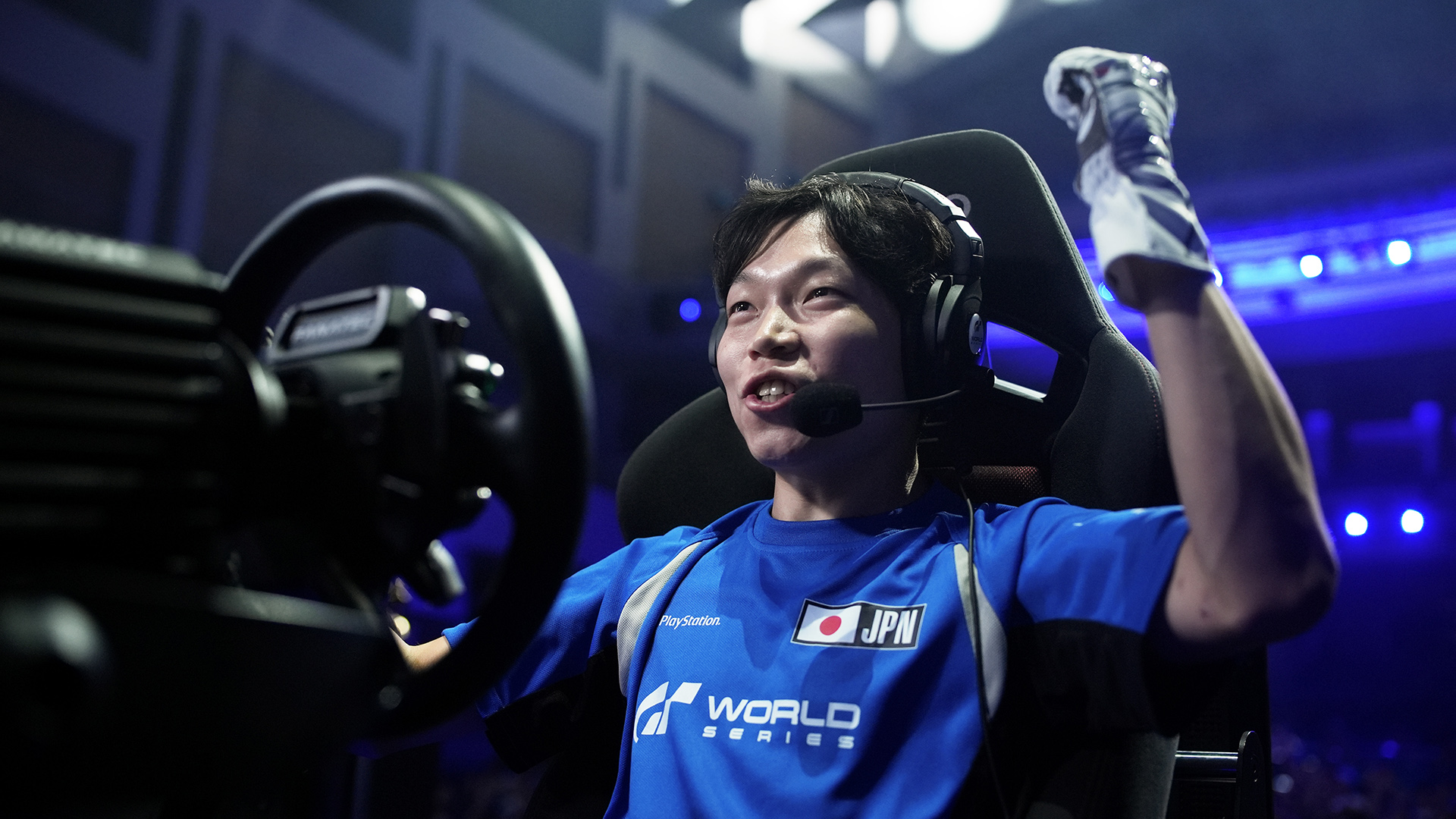
Afterward, Miyazono explained said, "This time, I knew there were many strategies that were going to be adopted, and at the start everyone was running so closely together, and I felt I needed to get out of that because my pace was dropping, so I reworked my strategy, and I’m very happy that it worked out."
The result leaves the championship extraordinarily close heading into the World Finals. Serrano leads with 12 points, followed by Urra with 11. Miyazono’s victory lifts him to 10 points, level with Drumont. These four drivers have only two points separating them, and a World Finals remaining to decide the 2026 Nations Cup champion.
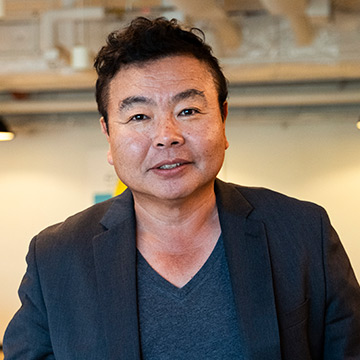
About the AuthorSam Mitani
Sam Mitani, former International Editor at Road & Track magazine and columnist for several international publications, is now an award-winning novelist. The Prototype trilogy -- a set of spy thrillers with an automotive theme -- is currently available in English. A Japanese version of the first book, The Prototype, was launched in Japan last year.
Gran Turismo World Series 2026 Round 3 - Singapore Nations Cup Results
Qualifying Time Trial
- Car:
- Dallara SF23 Super Formula / Toyota '23
- Track:
- SUGO International Racing Course
| Rank | Country / Driver | Time | Gap |
|---|---|---|---|
1 |

|
1'03.989 | |
2 |

|
1'04.242 | +00.253 |
3 |

|
1'04.272 | +00.283 |
4 |

|
1'04.339 | +00.350 |
5 |

|
1'04.430 | +00.441 |
6 |
|
1'04.796 | +00.807 |
7 |

|
1'04.826 | +00.837 |
8 |

|
1'04.922 | +00.933 |
9 |
|
1'05.152 | +01.163 |
10 |

|
1'05.316 | +01.327 |
11 |
|
1'05.401 | +01.412 |
12 |
|
1'10.475 | +06.486 |
Sprint Race
- Car:
- Dallara SF23 Super Formula / Toyota '23
- Track:
- SUGO International Racing Course
- Laps:
- 15
| Rank | Country / Driver | Time | Gap |
|---|---|---|---|
1 |
|
16'28.450 | |
2 |
|
16'31.433 | +02.983 |
3 |
|
16'31.692 | +03.242 |
4 |
|
16'33.946 | +05.496 |
5 |
|
16'34.452 | +06.002 |
6 |
|
16'34.855 | +06.405 |
7 |
|
16'40.857 | +12.407 |
8 |
|
16'41.036 | +12.586 |
9 |
|
16'41.258 | +12.808 |
10 |
|
16'43.031 | +14.581 |
11 |
|
16'44.429 | +15.979 |
12 |
|
16'48.892 | +20.442 |
- Fastest Lap:
- Netherlands Kaj de Bruin 1'04.911
Grand Final
- Car:
- Gran Turismo Red Bull X2019 Competition
- Track:
- Circuit de Sainte-Croix - B Reverse
- Laps:
- 24
| Rank | Country / Driver | Time | Points |
|---|---|---|---|
1 |
|
40'06.190 | 6 |
2 |
|
+00.400 | 5 |
3 |
|
+00.607 | 4 |
4 |
|
+00.917 | 3 |
5 |
|
+02.373 | 2 |
6 |
|
+02.929 | 1 |
7 |
|
+03.793 | 0 |
8 |
|
+06.101 | 0 |
9 |
|
+07.104 | 0 |
10 |
|
+07.200 | 0 |
11 |
|
+12.172 | 0 |
12 |
|
+25.504 | 0 |
- Fastest Lap:
- Italy Valerio Gallo 1'35.105